Fang Qi,
Ying Liu,
Bing Zhang,
Qian Yu,
Songyao Zhang,
Haoyu Du,
Jiaxin Li,
Yue Zhao,
Chenxi Wang,
Jiayuan Li,
Silu Cui,
Jun Yu
, Available online , doi: 10.3967/bes2026.030
, Available online , doi: 10.3967/bes2026.024
, Available online , doi: 10.3967/bes2025.167
Jie Sun,
Junyan Xi,
Zhishen Wu,
Wangjian Zhang,
Jianjun Bai,
Yining Xiang,
Yucan Zhang,
Jiajia Wang,
Shihao Wang,
Jing Gu,
Yuantao Hao,
Xiao Lin
, Available online , doi: 10.3967/bes2026.008
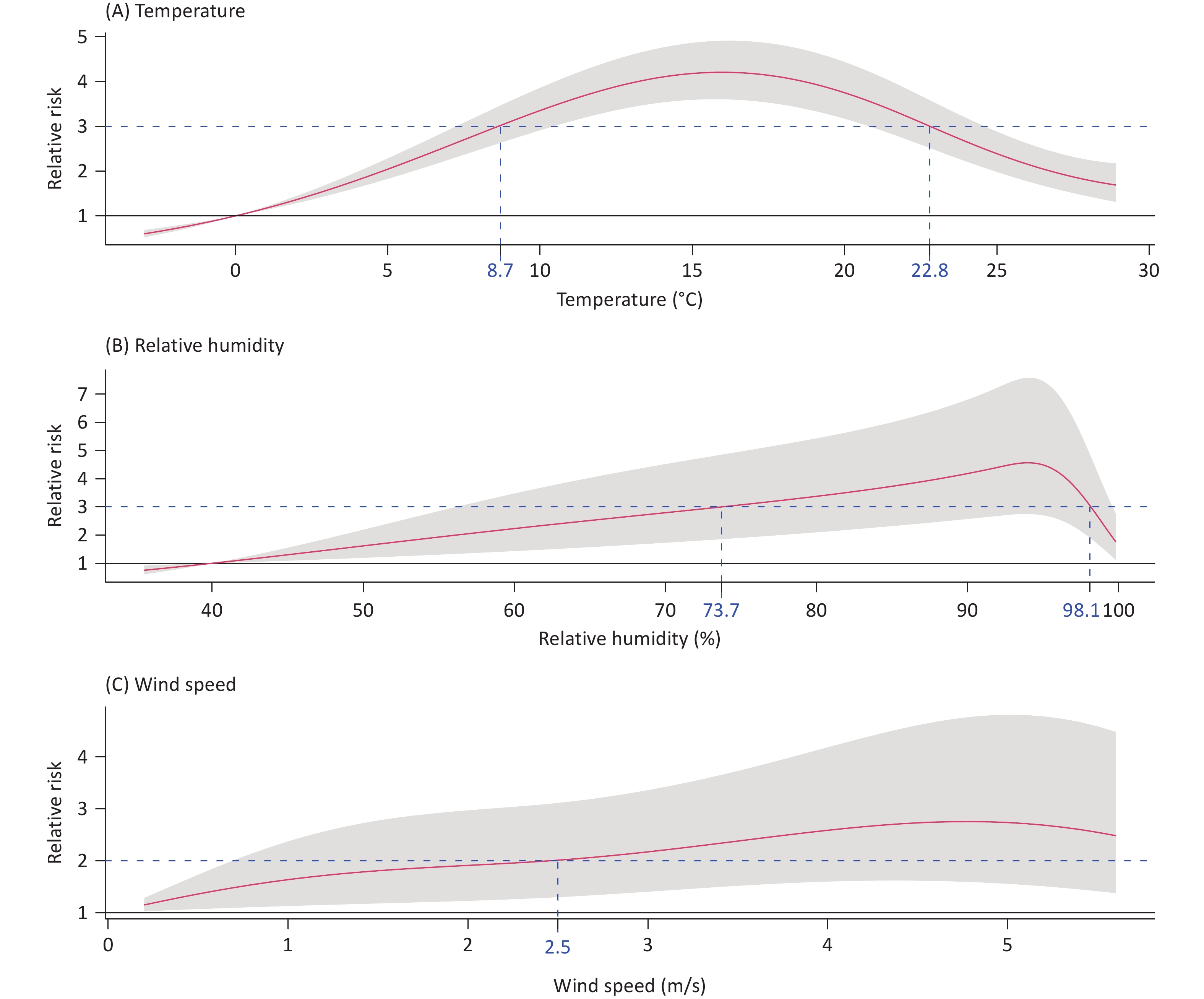
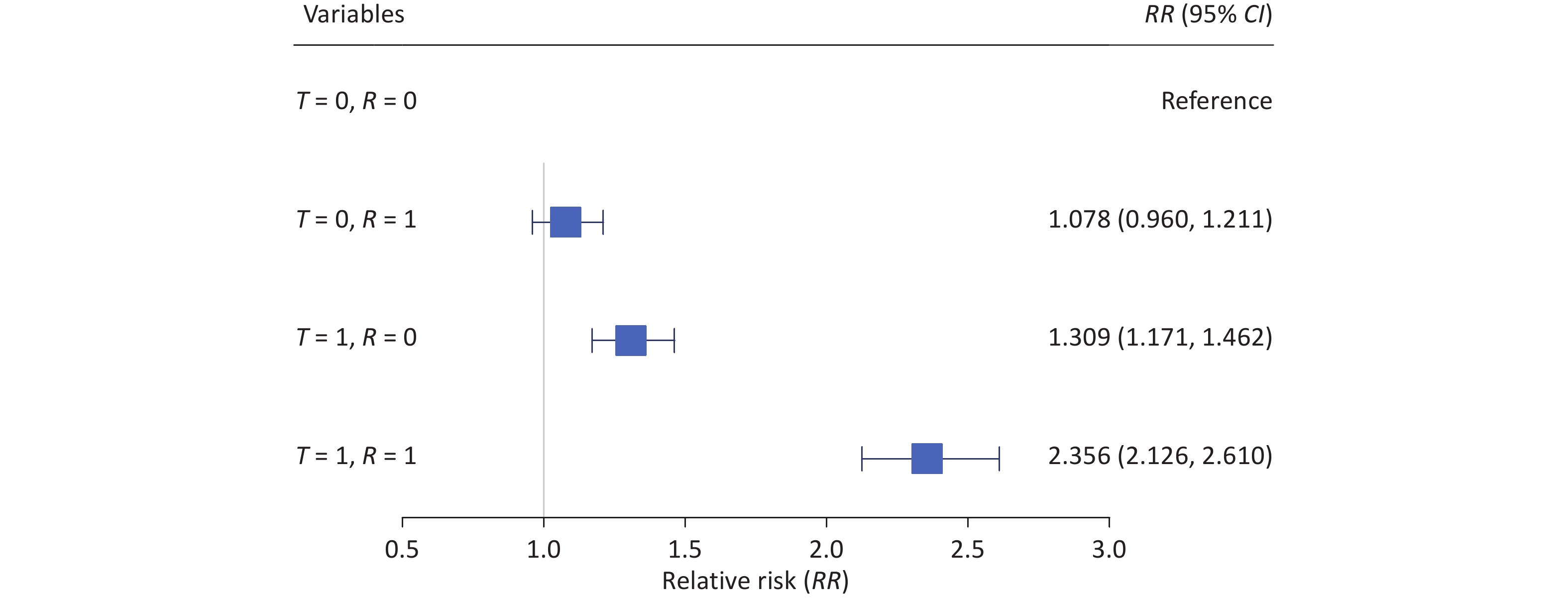
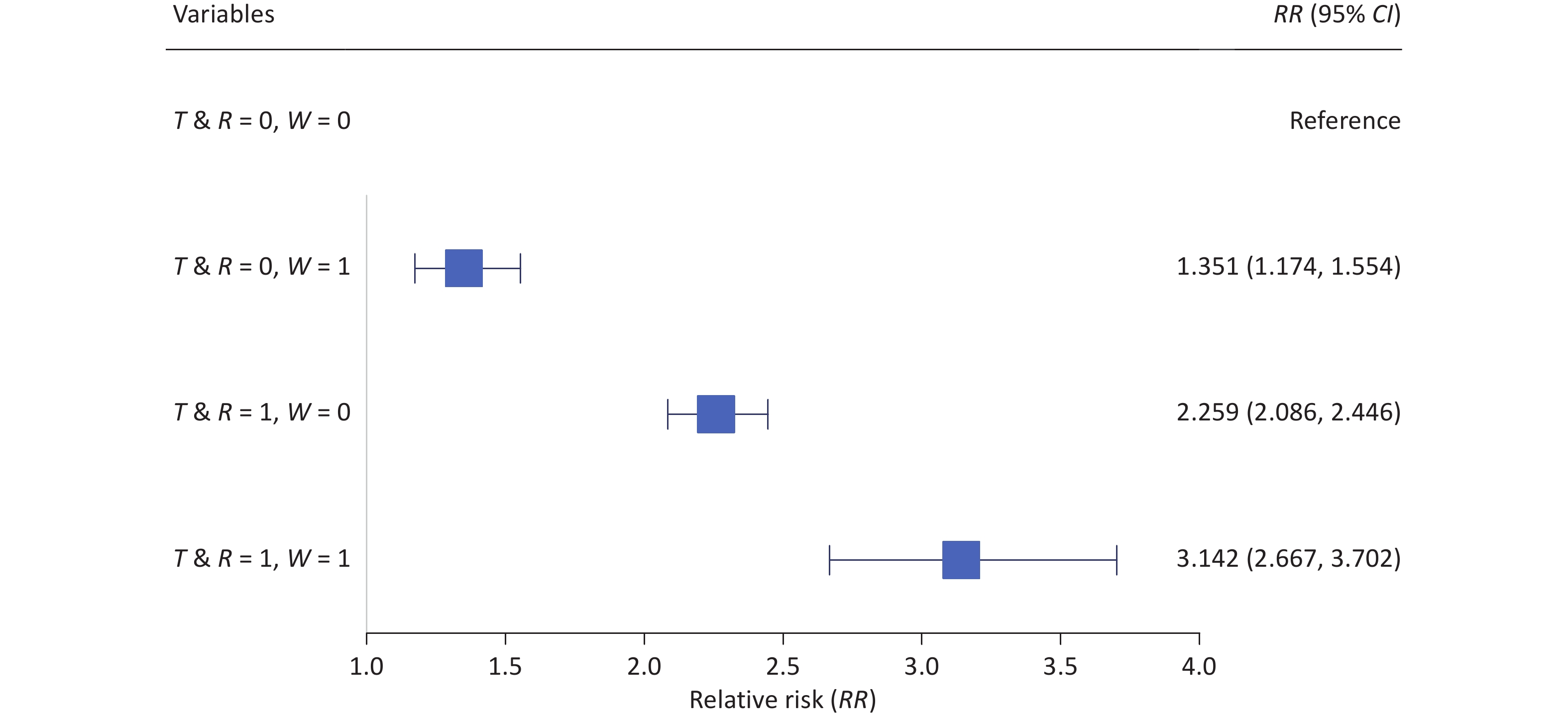
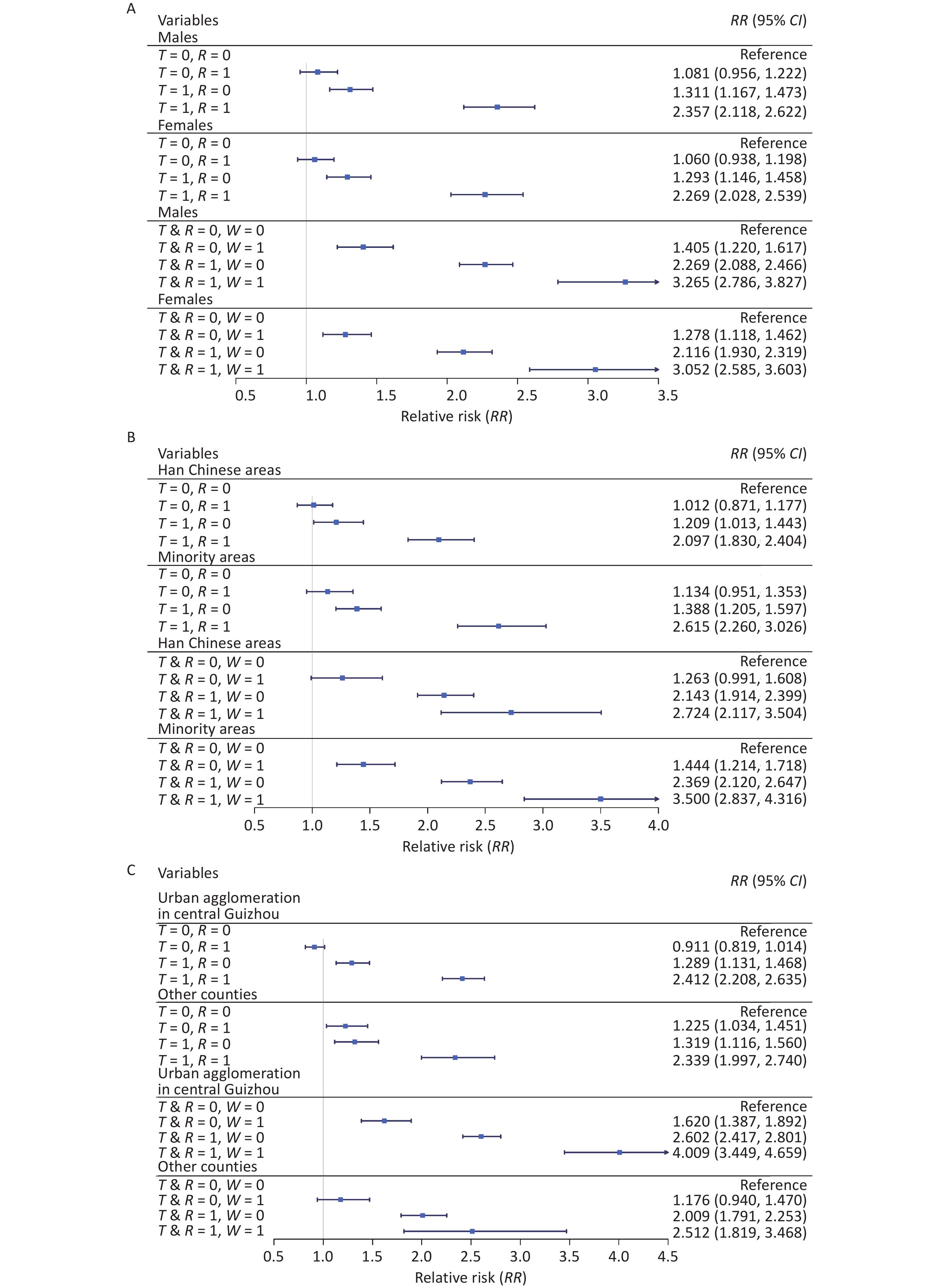
Objective Hand, foot, and mouth disease (HFMD) transmission is sensitive to temperature-humidity interactions; however, the role of wind speed in modifying these effects remains unknown. This study investigated how wind speed modifies the combined effects of temperature and humidity on HFMD burden and identified subgroups of individuals with increased vulnerability to these climate exposures. Methods We analyzed data from 524,100 HFMD cases and daily meteorological measurements across Guizhou, China, between 2012 and 2019. Disease burden was quantified as the number of years lived with disability. Exposure-response relationships and lag effects were modeled via distributed lag non-linear models. Additive interactions were assessed based on the proportions attributable to the interaction. The effects of sex, ethnicity, and urbanization were examined using stratified analyses. Results Meteorological factors showed synergistic effects on HFMD burden. The peak burden occurred at moderate mean temperatures (8.7–22.8 °C) combined with high relative humidity (> 73.7%), showing a 2.4-fold increase versus the reference. High wind speed (> 2.5 m/s) further increased this effect, with a 3.1-fold increase in burden. This joint effect was attributable to the additive interaction involving wind speed and remained robust in stratified analyses that identified heightened vulnerability among boys, minority areas, and urban agglomerations. Conclusion The HFMD burden was highest under specific combinations of temperature and humidity, and further increased with concurrent exposure to high wind speeds. Public health strategies for HFMD prevention should incorporate wind speed monitoring into early warning systems and address vulnerable subgroups, including boys and populations in minority areas and urban agglomerations.
Yang Shen,
Boji Wu,
Zhen Liu,
Yuanqi Yang,
Chun Li,
Siming Gong,
Shizhu Bian,
Xi Liu,
Chen Zhang,
Jihang Zhang,
Chuan Liu,
Zhexue Qin
, Available online , doi: 10.3967/bes2026.014
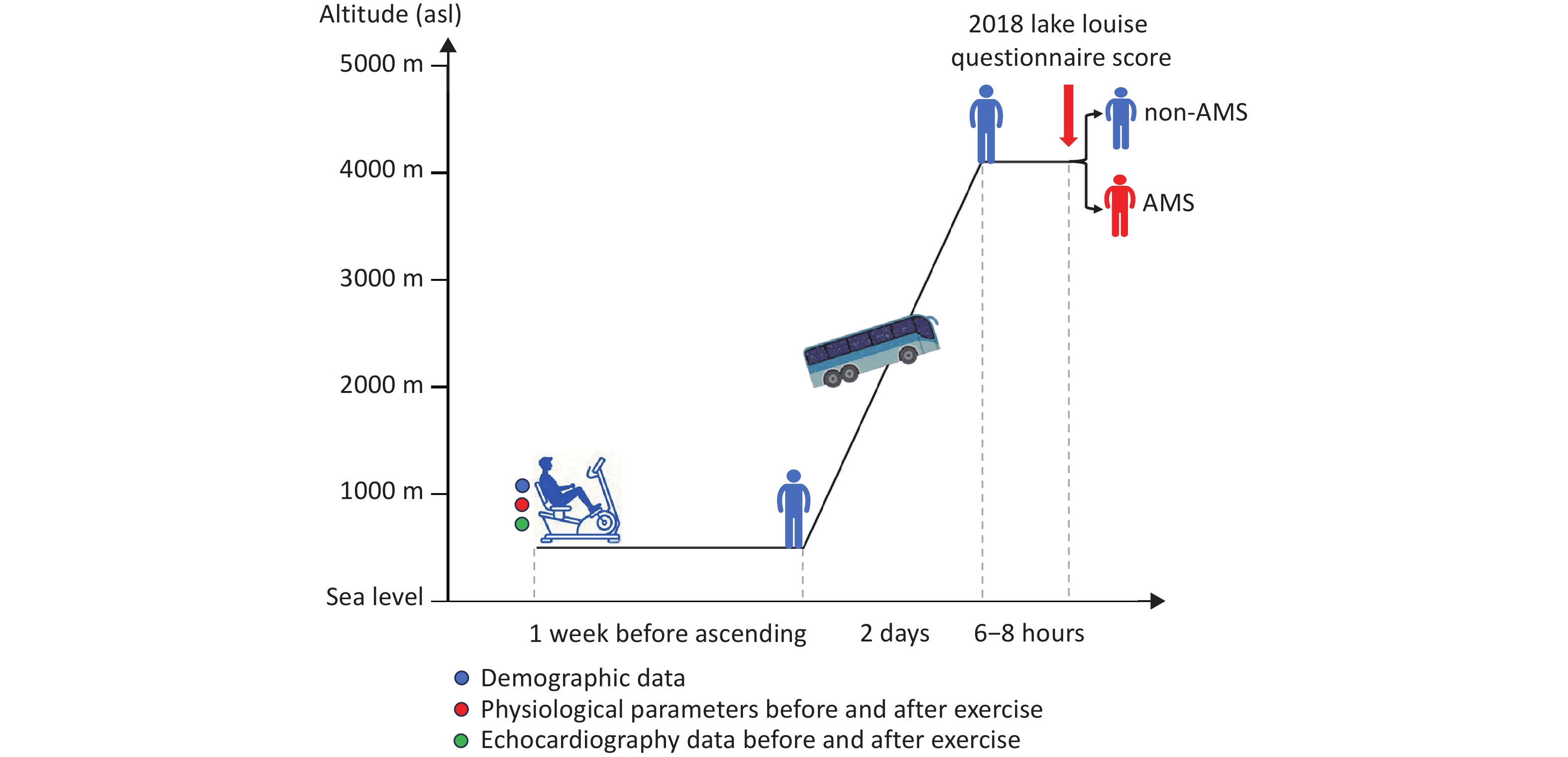
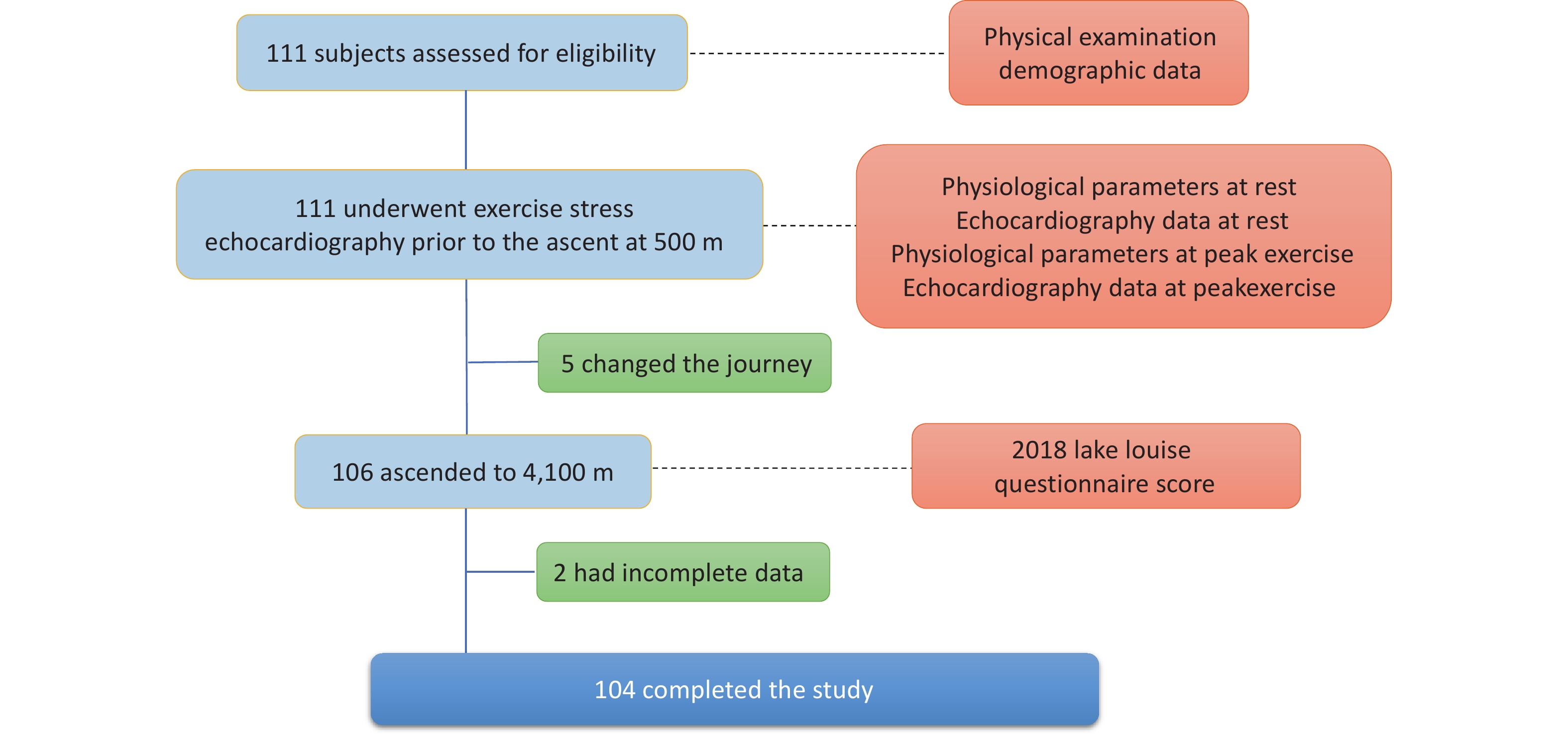
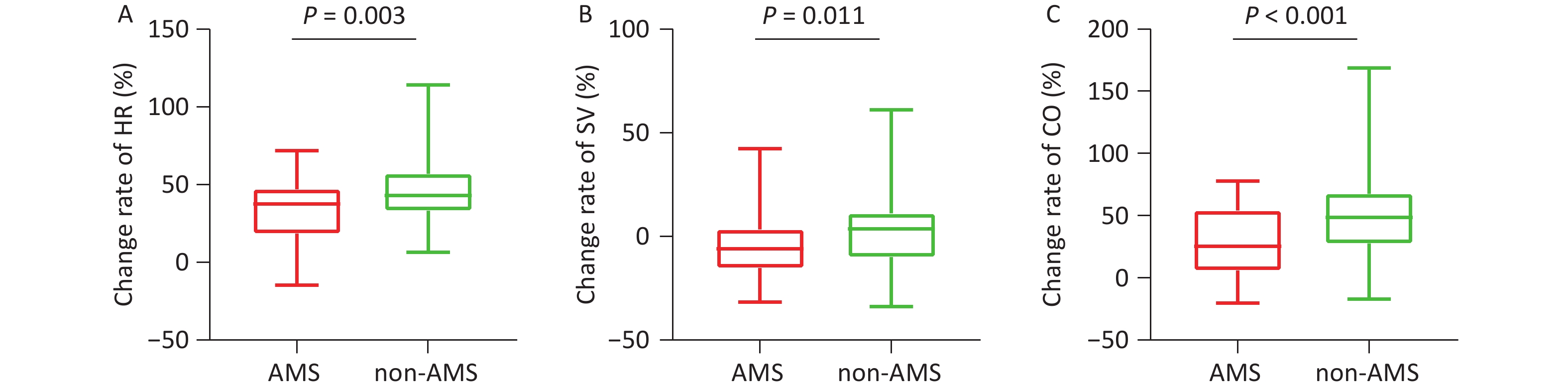
Objective Stress-induced changes in echocardiographic parameters reflect cardiac reserve function. This study aimed to identify predictors of acute mountain sickness (AMS) using exercise stress echocardiography (ESE) before ascent. Methods In this prospective cohort study, 104 healthy adults were enrolled and treated using ESE using a mechanically braked bicycle ergometer at a low altitude (LA) (500 m). Physiological data and echocardiographic parameters were collected before and during exercise. An ascent from 500 m to 4,100 m was completed by the bus within two days. AMS was identified using the Lake Louise Questionnaire. Results Among the 104 participants, 49 developed AMS at 4,100 m. Compared with individuals without AMS, those with AMS had a higher low-altitude (500 m) heart rate (HR) but lower stroke volume (SV) at rest, lower cardiac output (CO) and SV during exercise, and lower rates of change in CO, SV, and HR. Multivariate regression analysis revealed that female sex (odds ratio [OR] = 3.17, P = 0.039) and the rate of change in CO during exercise (OR = 0.98, P = 0.001) were independent risk factors for AMS. Participants with the lowest CO change rate after ESE presented the highest AMS risk. Conclusion ESE could serve as an effective screening tool for AMS susceptibility, and blunted CO augmentation during exercise is an independent predictive marker for AMS risk.
, Available online , doi: 10.3967/bes2026.009
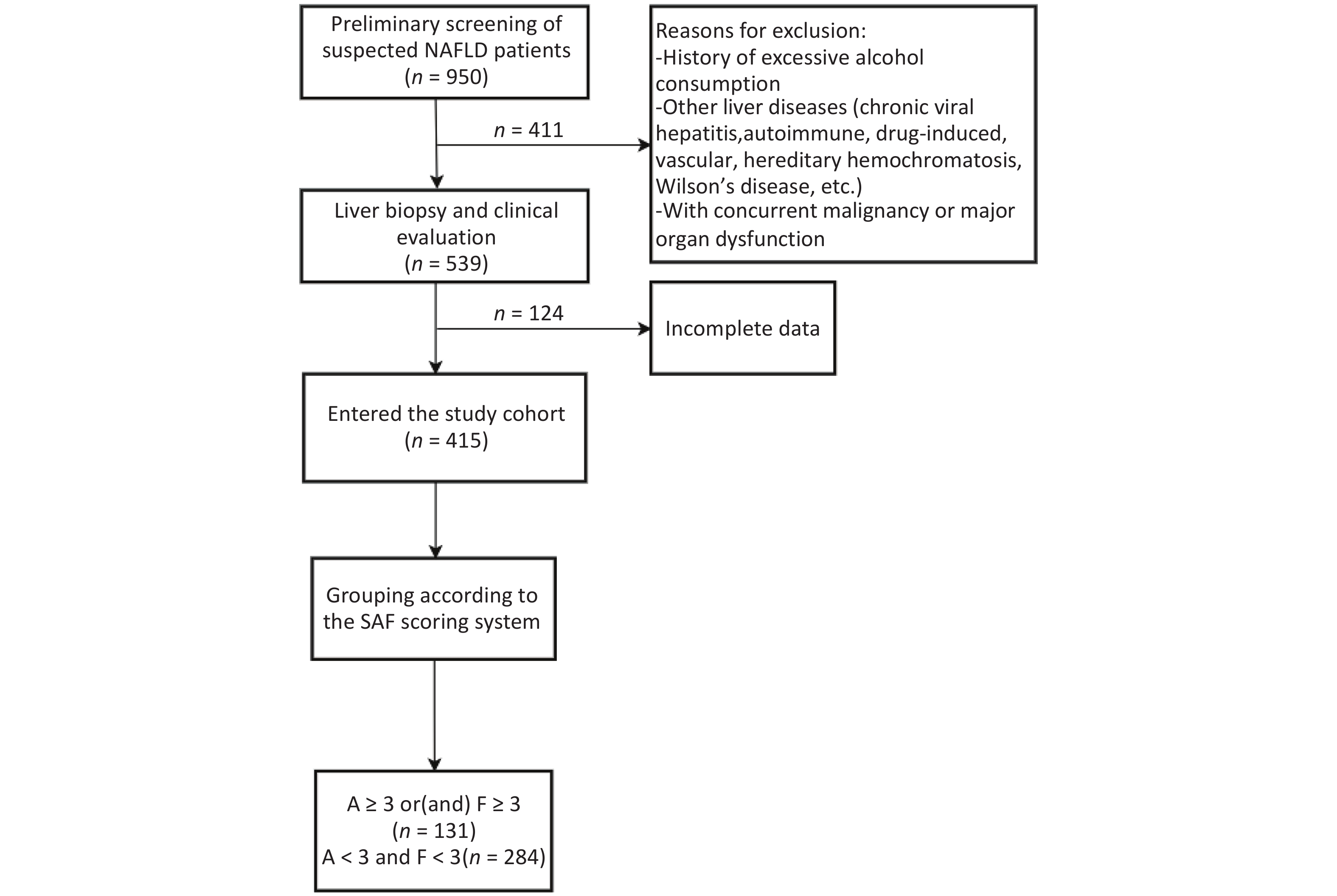
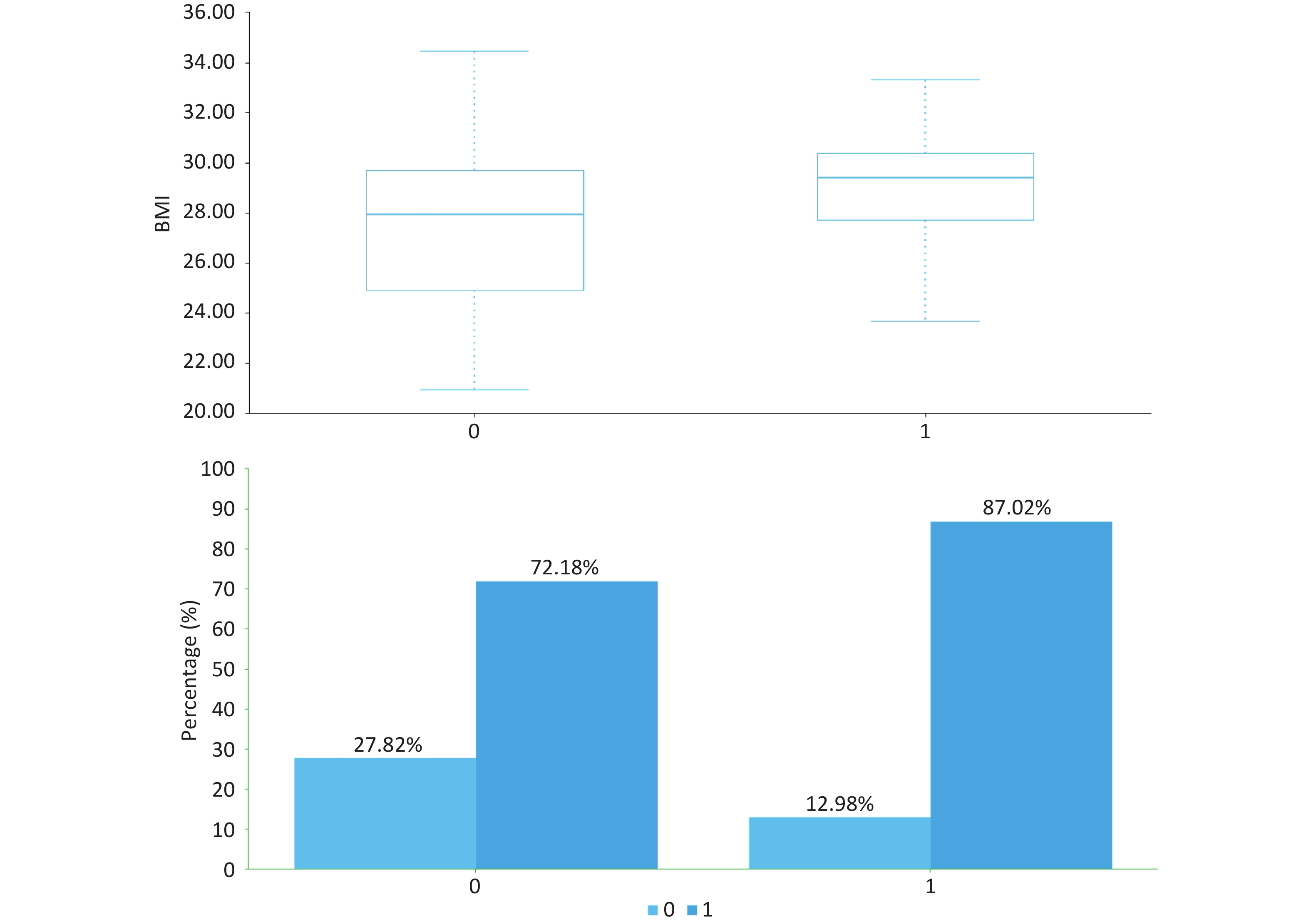
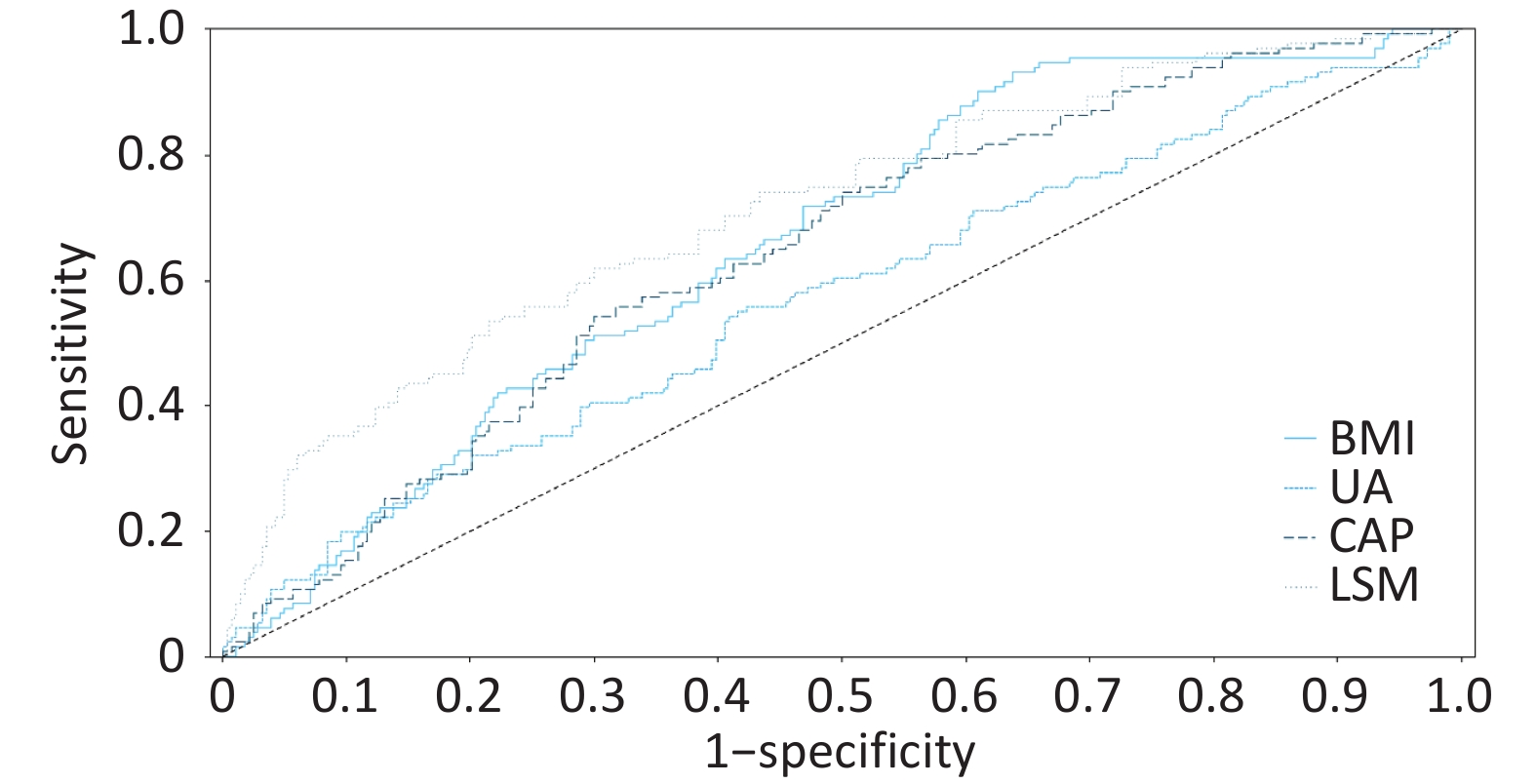
Objective To investigate risk factors associated with significant histologic lesions in metabolic dysfunction-associated steatotic liver disease (MASLD) using the SAF (Steatosis, Activity, Fibrosis) scoring system and to develop a risk prediction model. Methods In this retrospective cohort of 415 biopsy-proven MASLD patients (2018–2022), participants were stratified into significant lesion (SAF activity grade ≥ 3 and/or fibrosis stage ≥ 3, n = 131) and non-significant lesion (activity < 3 and fibrosis < 3, n = 284) groups. Demographic, laboratory, and imaging parameters including platelet count (PLT), aspartate aminotransferase (AST), alanine aminotransferase (ALT), gamma-glutamyl transferase (GGT), alkaline phosphatase (ALP), total bilirubin (TBIL), direct bilirubin (DBIL), total bile acids (TBA), triglycerides (TG), total cholesterol (TC), fasting plasma glucose (FPG), uric acid (UA), laminin (LN), hyaluronic acid (HA), procollagen type III (PC-III), collagen type IV (C-IV), controlled attenuation parameter (CAP), and liver stiffness measurement (LSM) were analyzed. Results Patients with significant lesions had higher body mass index (BMI), proportion of high-fat diet, AST, ALT, TBA, UA, CAP, and LSM (all P < 0.05). Multivariate logistic regression identified BMI (OR = 1.182), UA (OR = 1.003), CAP (OR = 1.005), and LSM (OR = 1.104) as independent predictors of significant histologic lesions, with a model area under the curve of 75.18%. Conclusion BMI, hyperuricemia, hepatic steatosis (CAP), and fibrosis (LSM) are independent risk factors for advanced MASLD. A combined non-invasive assessment may enhance risk stratification in clinical practice.
Youjing Zhang,
Meiling Hu,
Ziyi Yang,
Jianxin Li,
Jie Cao,
Jichun Chen,
Fangchao Liu,
Keyong Huang,
Hongfan Li,
Chong Shen,
Dongsheng Hu,
Xiaoqing Liu,
Shujun Gu,
Ling Yu,
Jianfeng Huang,
Xiangfeng Lu,
Dongfeng Gu,
Shufeng Chen
, Available online , doi: 10.3967/bes2026.034
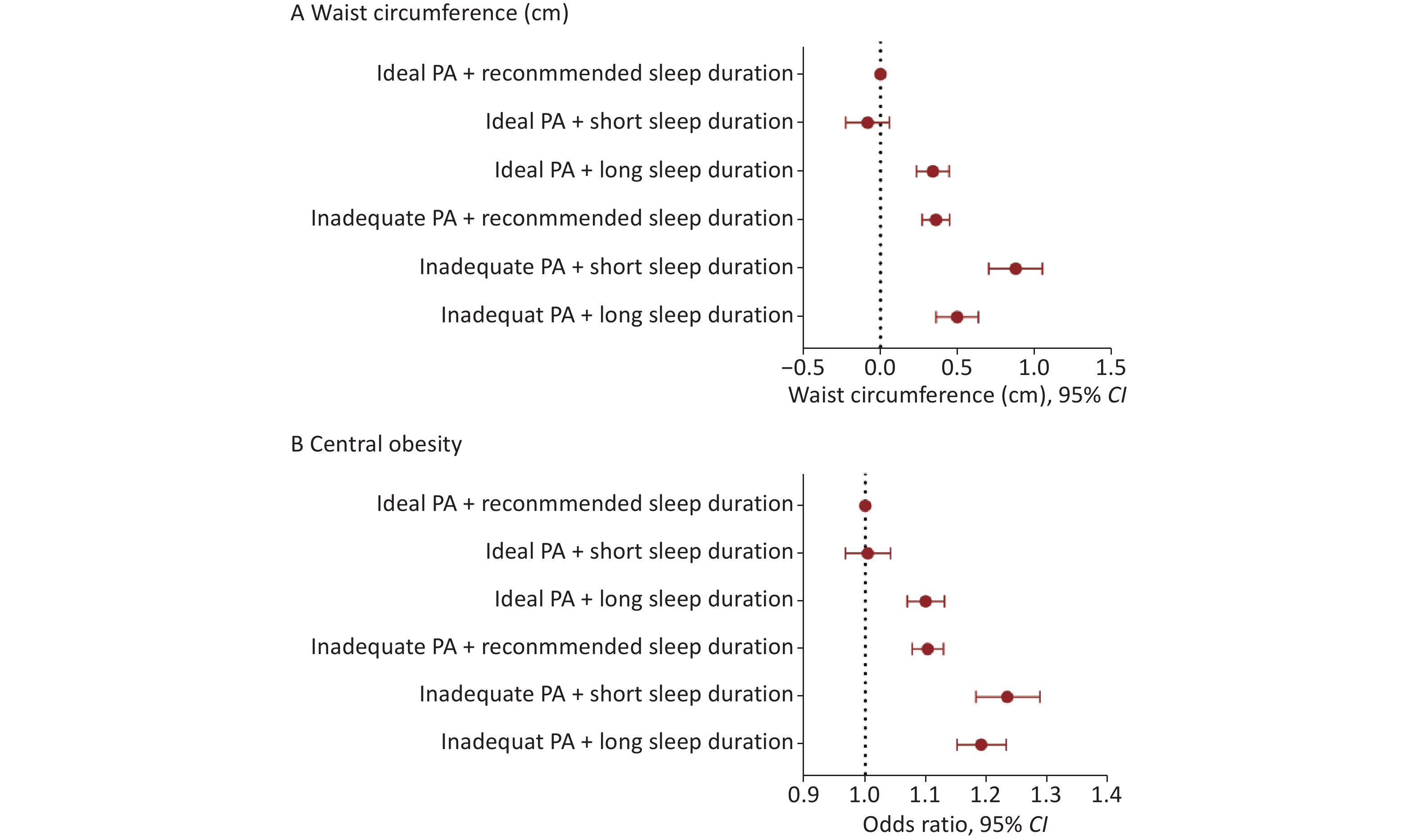
Objective To examine the associations of sleep duration and physical activity (PA) with central obesity among Chinese adults. Methods Based on the Prediction for Atherosclerotic Cardiovascular Disease Risk in China (China-PAR) project, 175,373 observations from 106,518 participants were included. Generalized estimating equations quantified the associations of sleep duration and PA with waist circumference (WC) and central obesity. Stratified and joint analyses were performed to evaluate combined effects, and an isotemporal substitution model was used to assess substitution effects. Results Suboptimal sleep duration (< 7 h/day or ≥ 9 h/day) and inadequate PA were associated with higher WC and an increased risk of central obesity. Compared with optimal sleep duration (7–< 9 h/day), both longer (≥ 9 h/day) and shorter (< 7 h/day) sleep durations were associated with increased WC (0.27 cm [95% confidence interval (CI): 0.18, 0.35] and 0.15 cm [95% CI: 0.04, 0.27], respectively) and a higher risk of central obesity (odds ratio, 1.09 [95% CI: 1.07, 1.12] and 1.05 [95% CI: 1.02, 1.08], respectively). Joint analyses revealed that individuals with inadequate PA and short sleep duration had the highest WC and highest risk of central obesity. Among individuals sleeping > 8 h/day, substituting 30 min/day of sleep with moderate-to-vigorous PA significantly reduced the risk of central obesity. Conclusion Suboptimal sleep duration has a detrimental effect on central obesity, and adequate PA can mitigate this effect. The impact of reallocating sleep duration varies by sleep duration, highlighting the need to optimize both PA and sleep patterns in China.
Yudong Wu,
Yongqiang Chen,
Chen Chen,
Liang Ding,
Linsen Yang,
Kai Zhang,
Xi Meng,
Wenhui Shi,
Yang Li,
Jiahao Chen,
Yue Chen,
Yingli Qu,
Wanying Shi,
Ziyu Hu,
Fanye Long,
Lijun Wang,
Luxi Wei,
Jinhui Zhou,
Feng Zhao,
Ying Zhu,
Maigeng Zhou,
Yuebin Lv,
Xiaoming Shi
, Available online , doi: 10.3967/bes2026.033
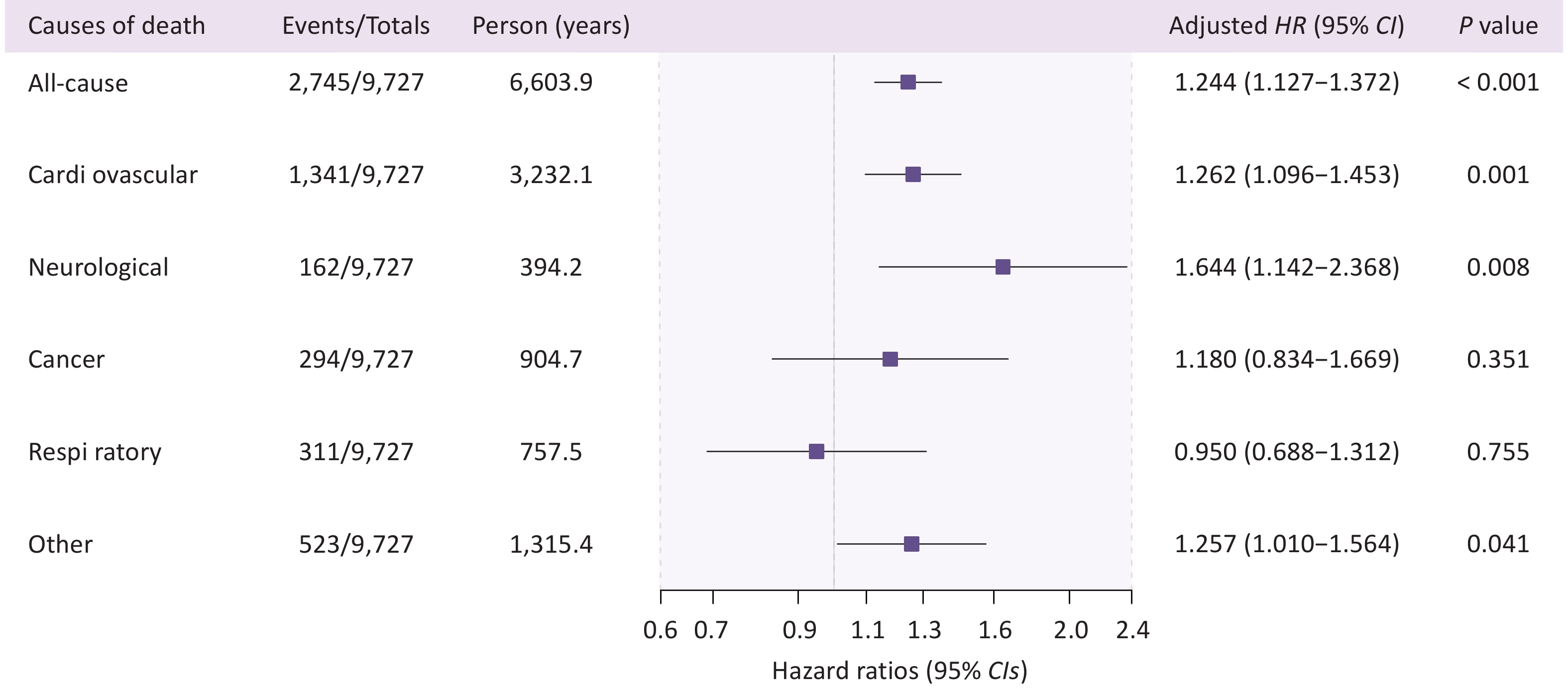
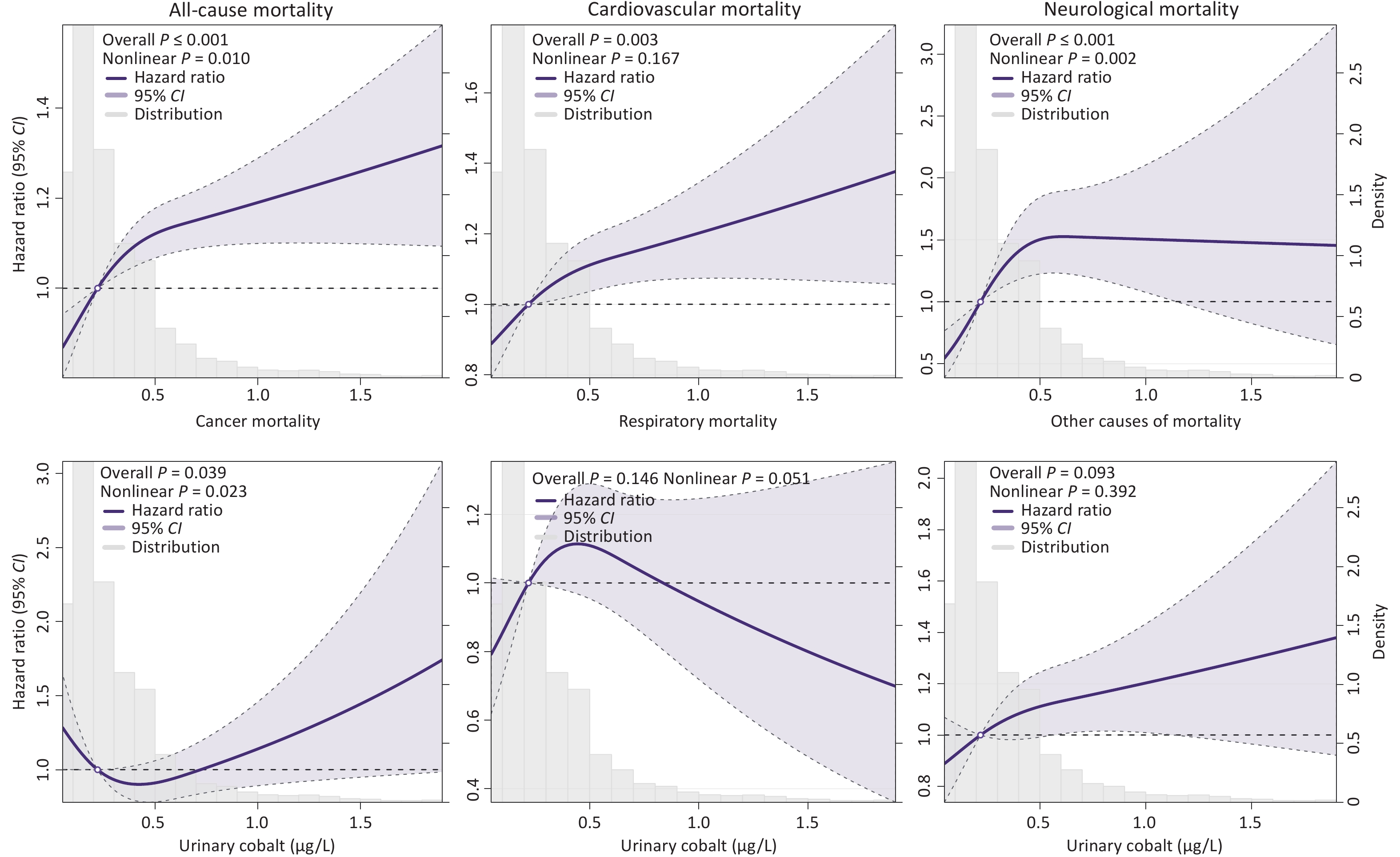
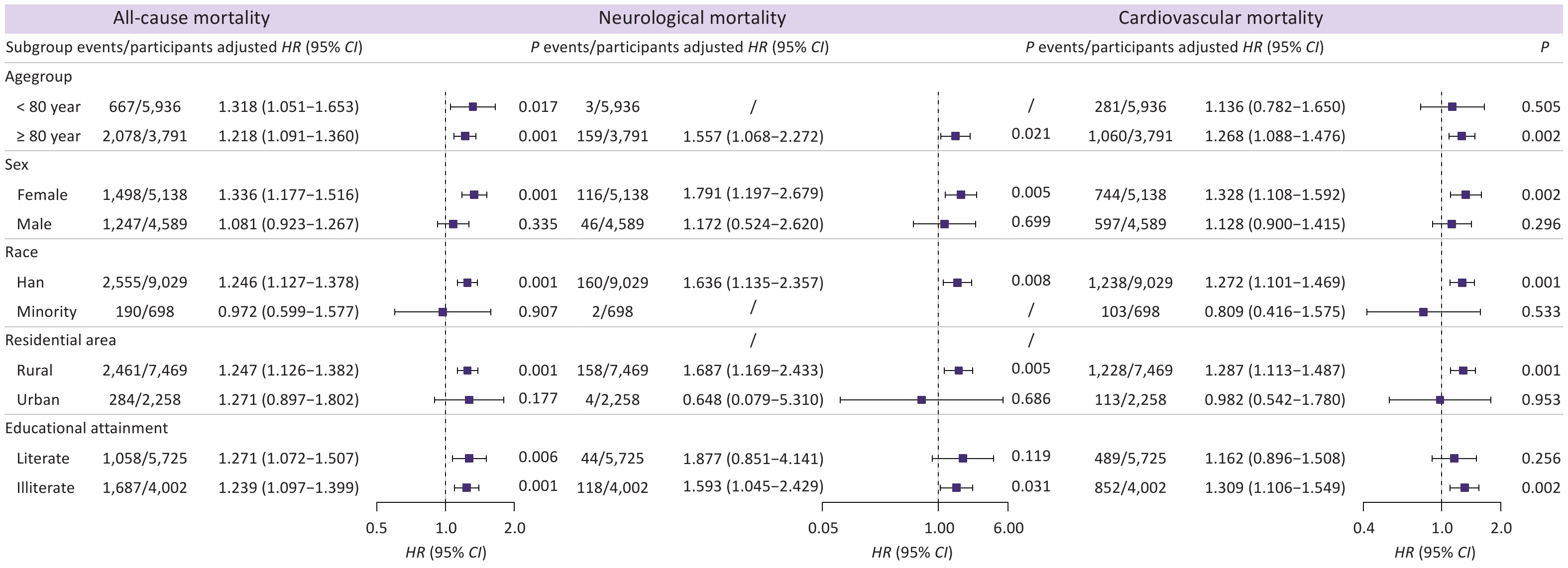
Objective To investigate the association between urinary cobalt levels and all-cause and cause-specific mortality in older Chinese adults. Methods This study enrolled older adults (≥ 60 years) from two cohorts. Urinary cobalt concentrations were quantified using inductively coupled plasma mass spectrometry. Mortality outcomes were ascertained by linking them to the Chinese Disease Surveillance Point System. Cox proportional hazards models were used to evaluate the association between urinary cobalt and mortality, and subgroup analyses were performed to identify vulnerable populations. Results A total of 9,727 participants were followed for an average of 4.754 years, during which 2,745 deaths were recorded. Participants with the highest urinary cobalt concentration had a 29% greater all-cause mortality risk (HR: 1.292, 95% CI: 1.155–1.445) than those in the lowest quartile, along with significantly elevated mortality from cardiovascular (24.8%), neurological (137.1%), and other causes (25.3%). Subgroup analyses revealed that female, Han Chinese individuals, and rural residents were more susceptible to the effects of cobalt. Conclusion Cobalt exposure was associated with elevated all-cause, cardiovascular, and neurological mortality in older adults, with female, Han ethnicity, and rural residents being vulnerable groups. These findings provide population-based evidence for clinical management and policy revisions regarding cobalt exposure.
Fengjie Wang,
Yutong Zhou,
Ri De,
Runan Zhu,
Yu Sun,
Dongmei Chen,
Liping Jia,
Qi Guo,
Yao Yao,
Zhen Zhu,
Naiying Mao,
Linqing Zhao
, Available online , doi: 10.3967/bes2026.032
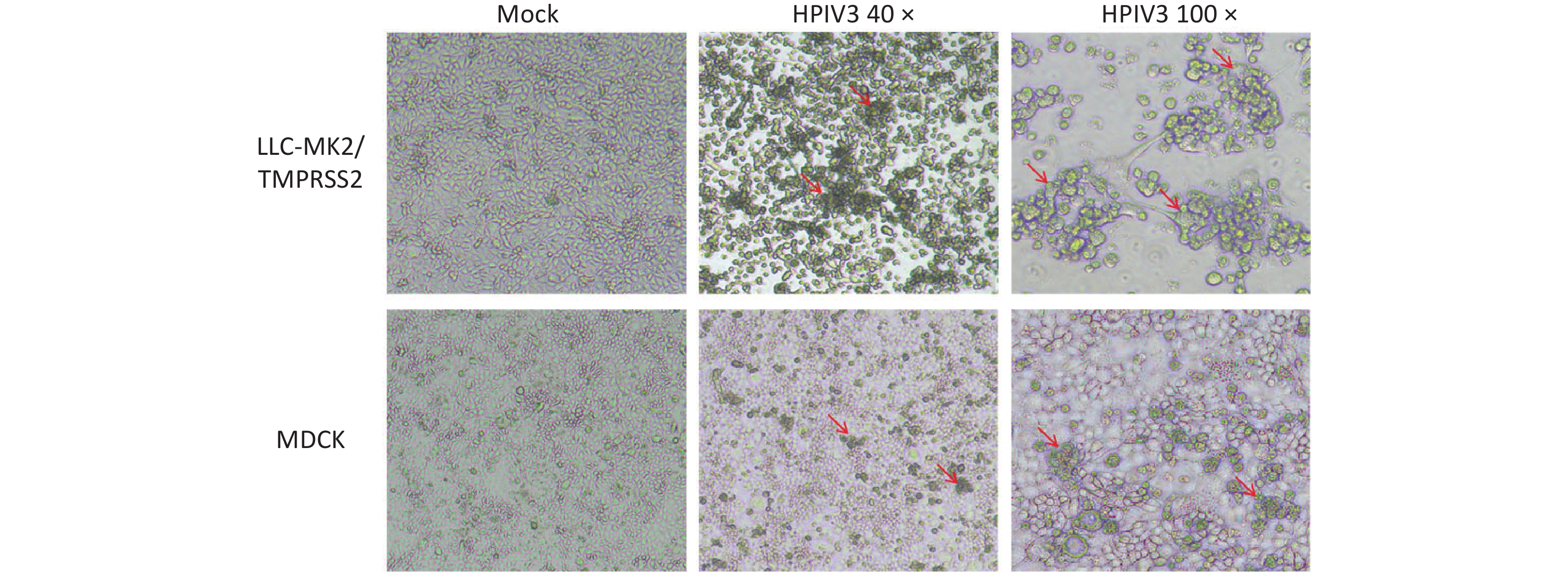
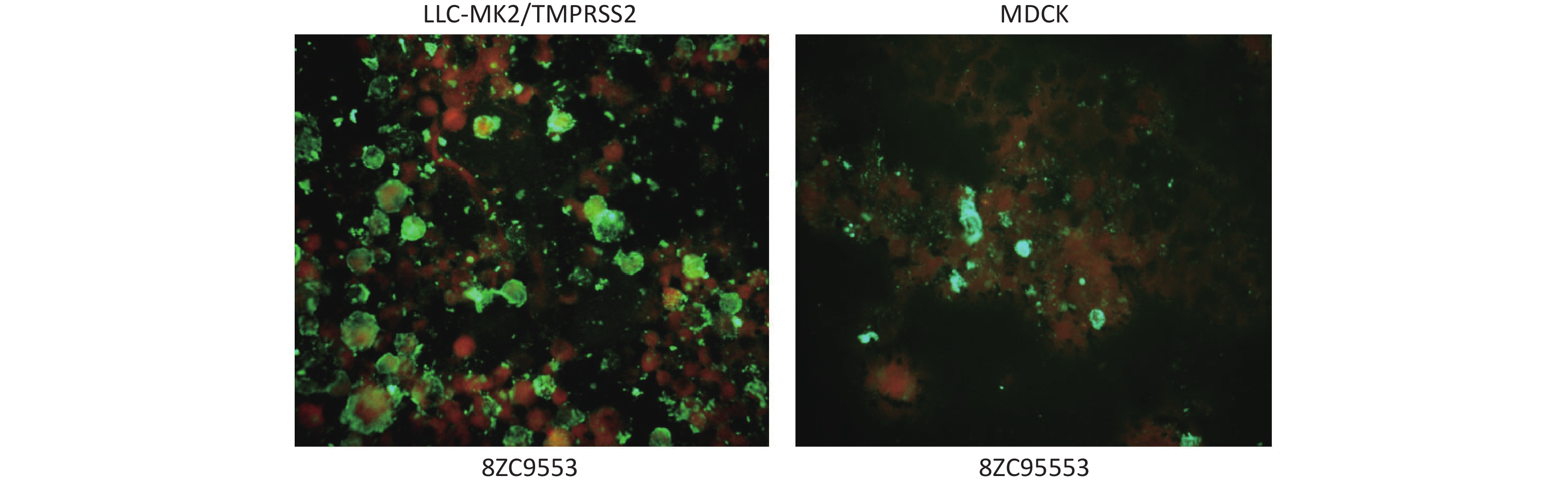
Objective LLC-MK2/TMPRSS2 cells constitutively express TMPRSS2, eliminating the requirement for additional trypsin during HPIV3 culture. The efficiency of LLC-MK2/TMPRSS2 for isolating HPIV3 from respiratory specimens was evaluated in comparison with Madin-Darby Canine Kidney (MDCK). Methods HPIV3-positive respiratory specimens from children with acute respiratory infections (February-June 2025) were inoculated into LLC-MK2/TMPRSS2 and MDCK. The cytopathic effect (CPE) was monitored microscopically, and the proportion of positive cells was evaluated using direct immunofluorescence assay (DFA). Viral infection dynamics were assessed using the cycle threshold (Ct) values obtained by qPCR. Results Among 50 specimens, 35 strains (35/50, 70%) were successfully isolated using LLC-MK2/TMPRSS2, while 14 strains were isolated using MDCK (14/50, 28%). More pronounced CPE and a higher number of virus-infected positive cells were shown in LLC-MK2/TMPRSS2 compared to that in MDCK (P < 0.001 and P = 0.001, respectively). Among specimens with an initial Ct < 27, the isolation rate of LLC-MK2/TMPRSS2 was higher and the Ct values were lower (< 27) (82.6%, 19/23). Among specimens with an initial Ct of 23 ≤ Ct < 27, the number of specimens with a supernatant Ct ≥ 27 (63.6%, 7/11) was significantly less than that in MDCK (P = 0.003). Conclusion LLC-MK2/TMPRSS2 exhibits superior adaptability and replication efficiency in the isolation of HPIV3 from respiratory specimens.
, Available online , doi: 10.3967/bes2026.031
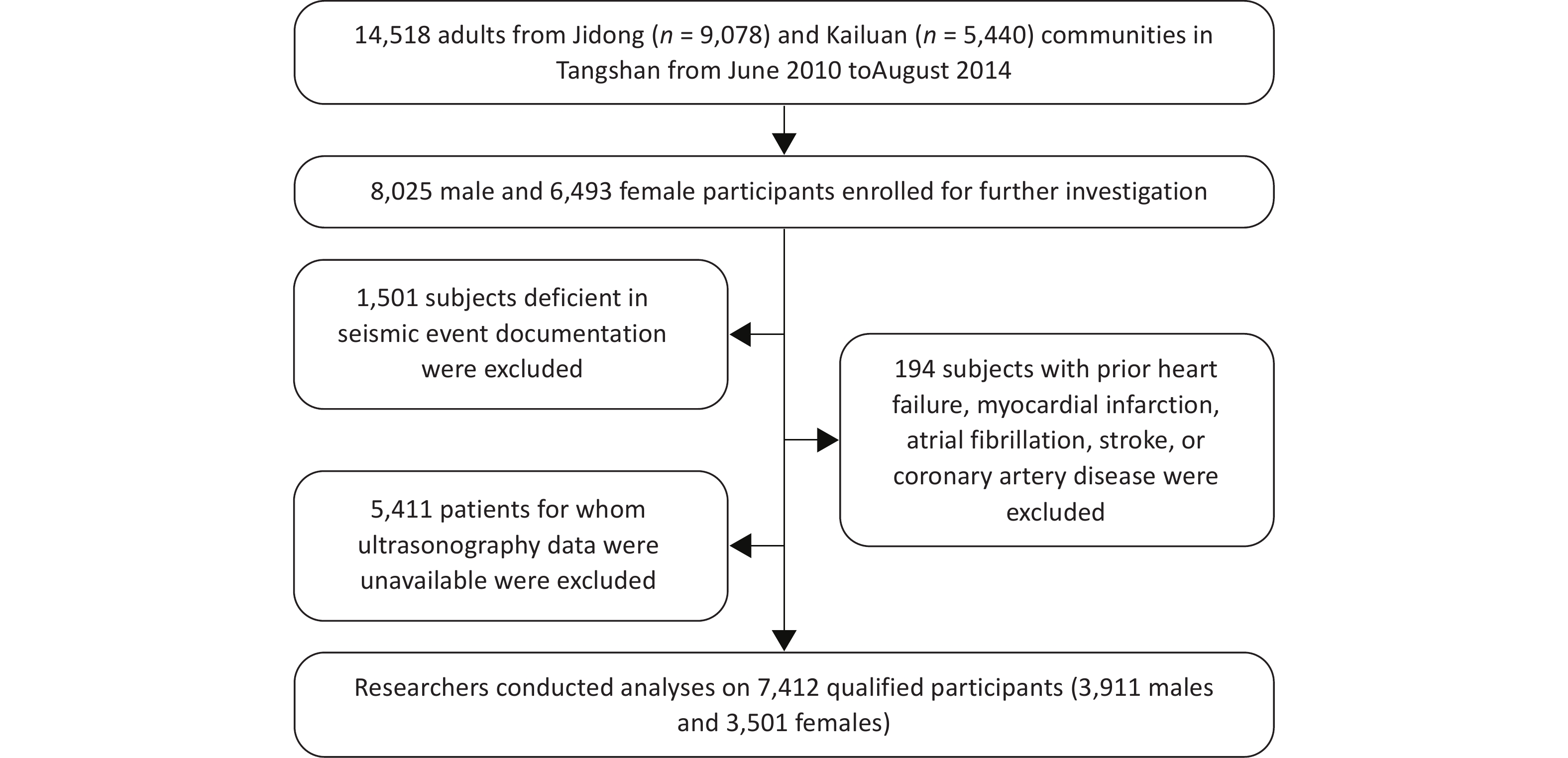
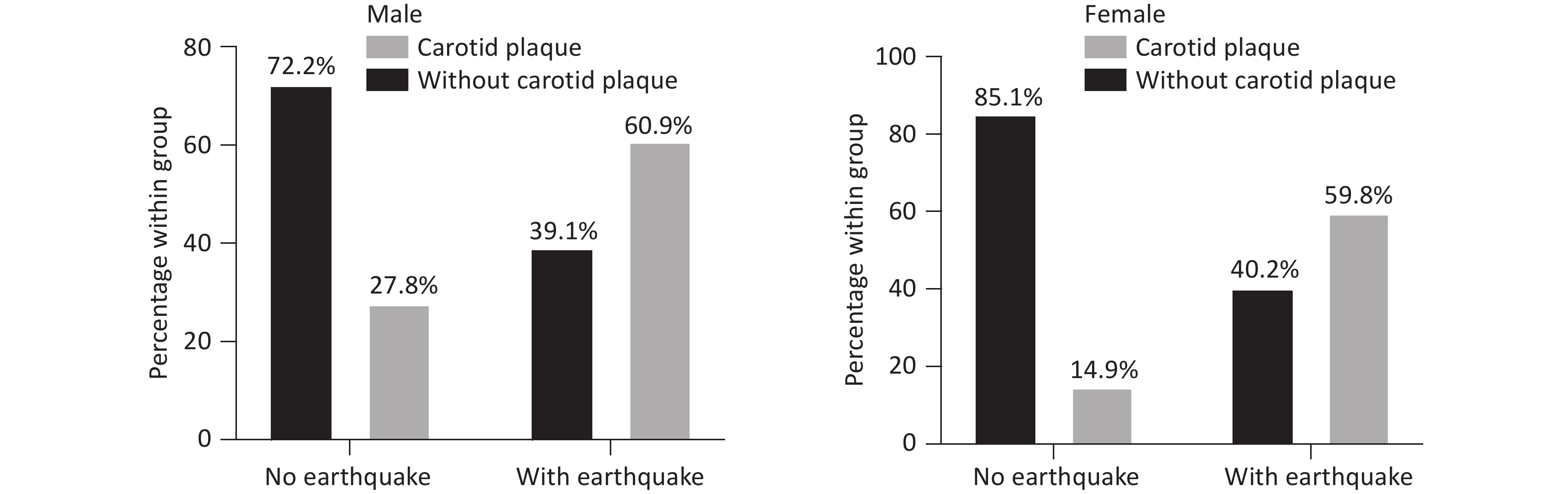
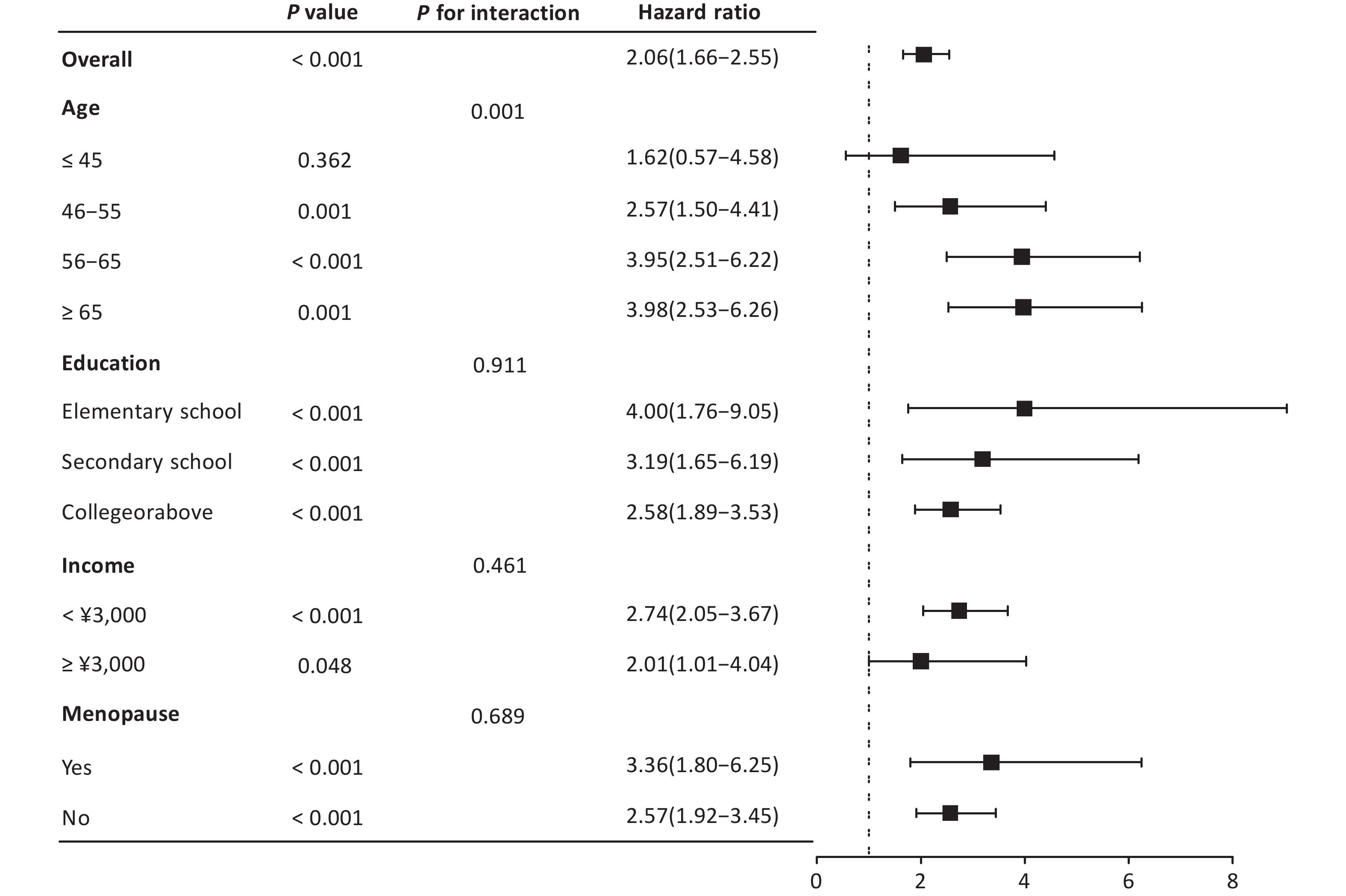
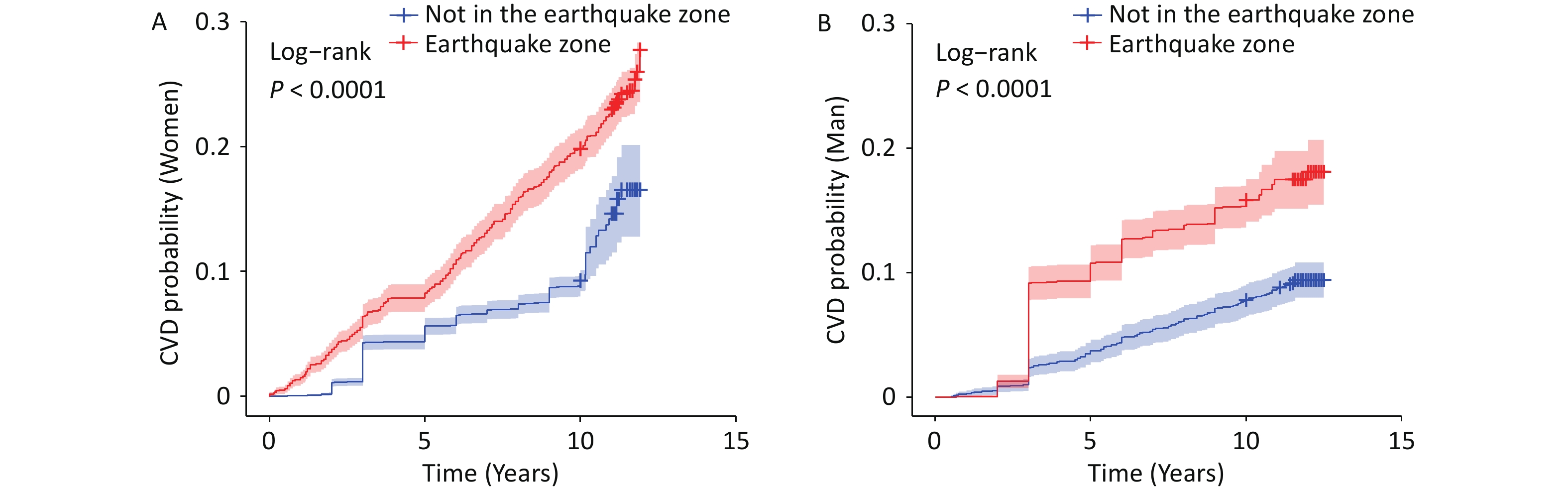
Objective The cardiovascular impact of earthquakes remains poorly understood, particularly regarding subclinical vascular diseases in women. This study examined the association between seismic exposure and the progression of carotid atherosclerosis in northern Chinese adults. Methods 7,412 individuals were enrolled, including survivors of the 1976 Tangshan earthquake (magnitude 7.8) and unexposed controls. Carotid atherosclerosis was assessed using bilateral ultrasonography. Multivariate logistic regression accounted for sociodemographic, clinical, and lifestyle covariates. Results Among females, earthquake exposure was associated with significantly higher atherosclerosis prevalence (44.9% vs. 33.1% in males), with elevated adjusted odds (OR = 2.32, 95% CI: 1.78–3.02, P < 0.001). No significant association was observed in males after full adjustment. In women, CVD risk increased twofold (95% CI: 1.66–2.55, P < 0.001), with gradients by age (≥ 65 years: HR = 3.98, P < 0.001), education (elementary: HR = 4.00, P < 0.001), and income (low-income: HR = 2.74, P < 0.001). Proximity to the epicenter further amplified the CVD risk (log-rank P < 0.0001). Conclusion Seismic exposure independently predicts accelerated carotid atherosclerosis and cardiovascular risk in women, underscoring the need to elucidate sex-specific mechanisms and develop targeted interventions for post-disaster populations.
, Available online , doi: 10.3967/bes2026.018
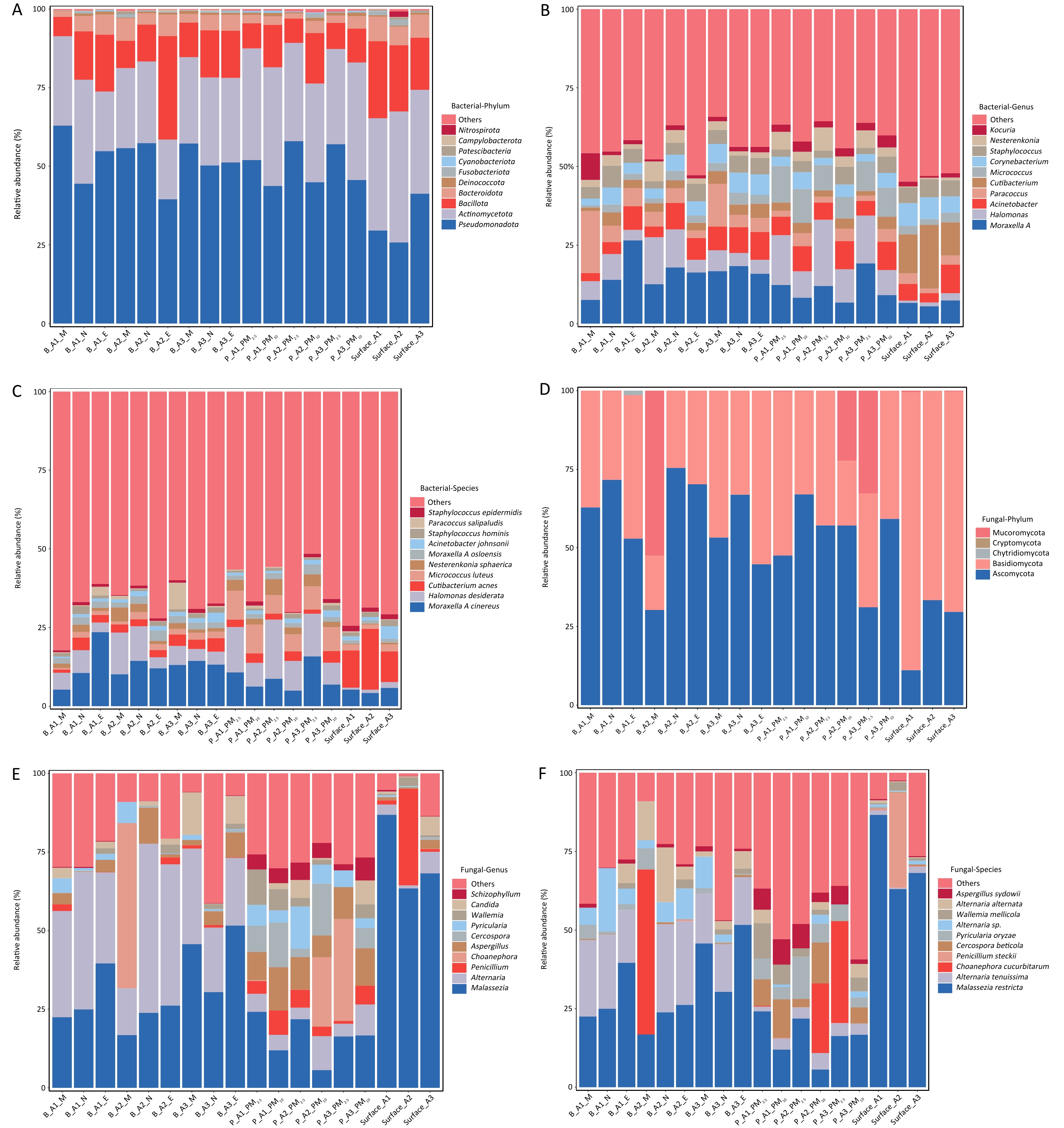
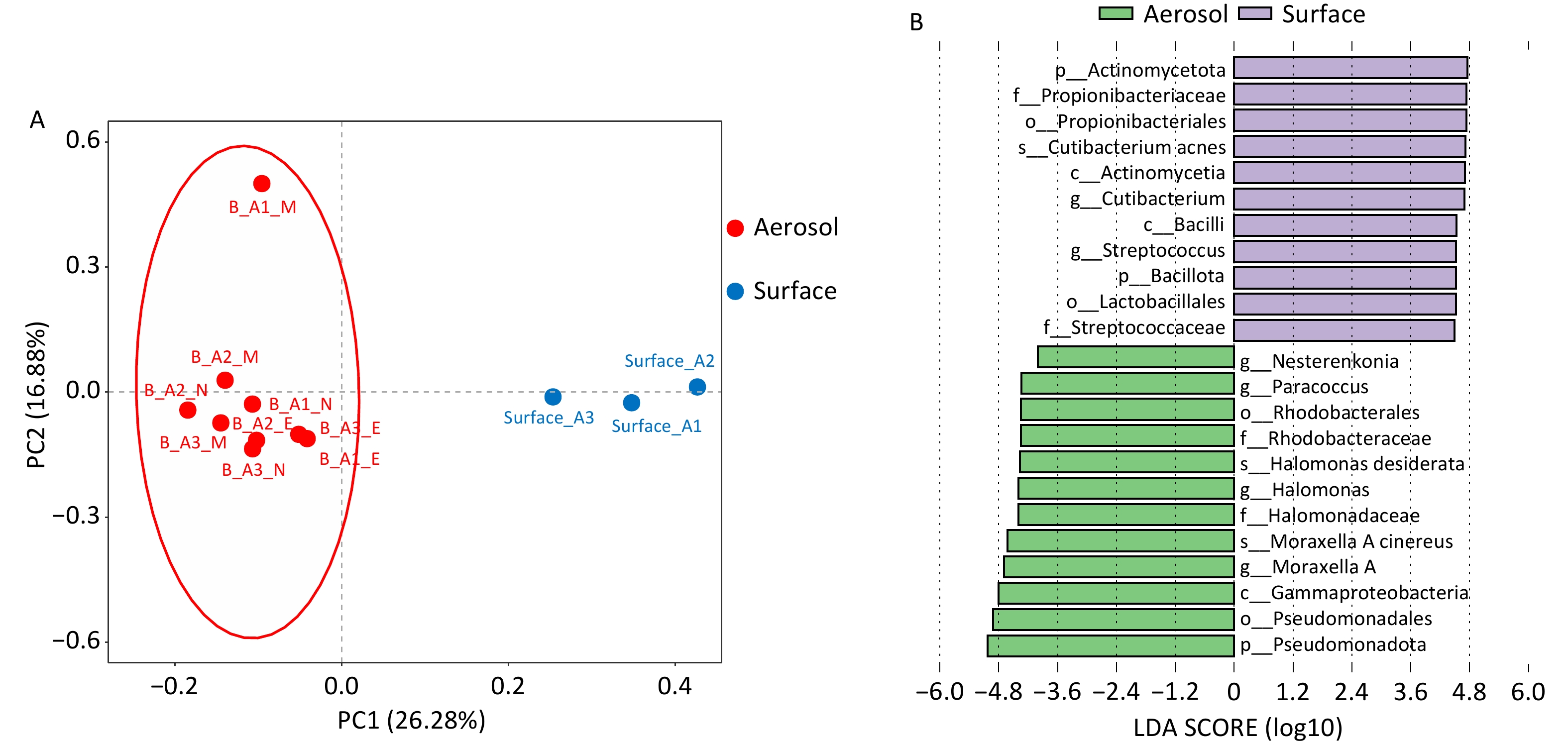
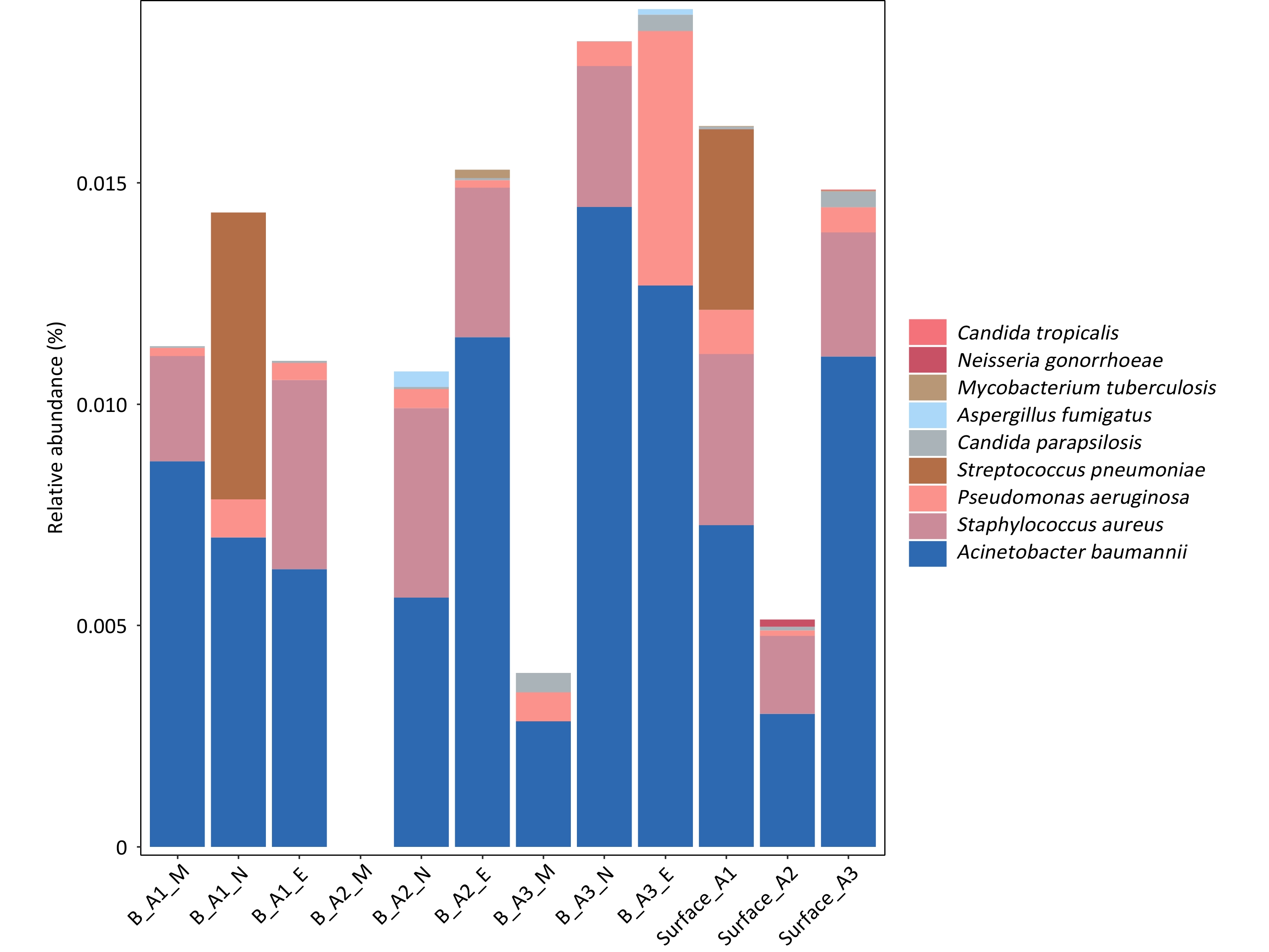
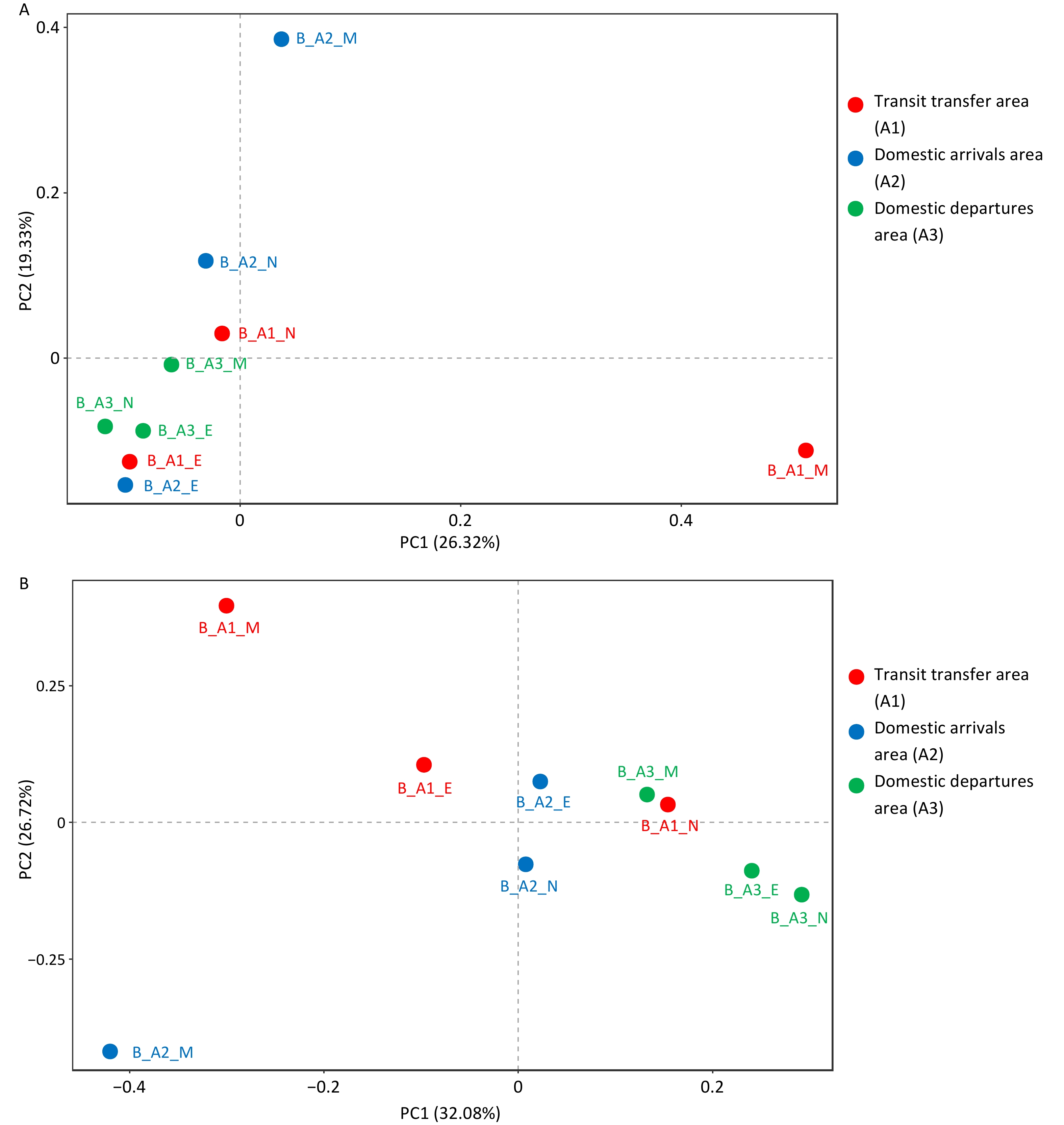
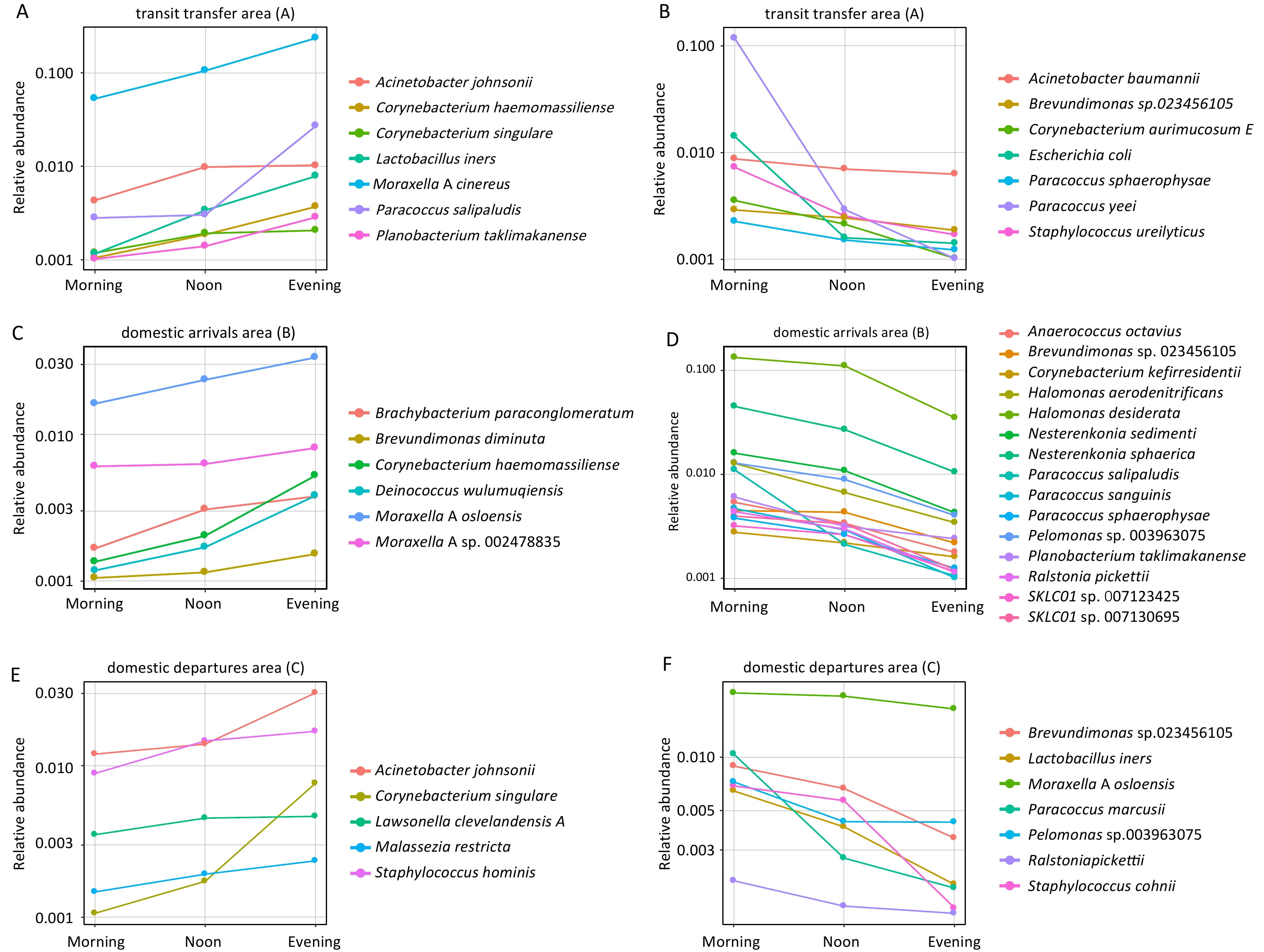
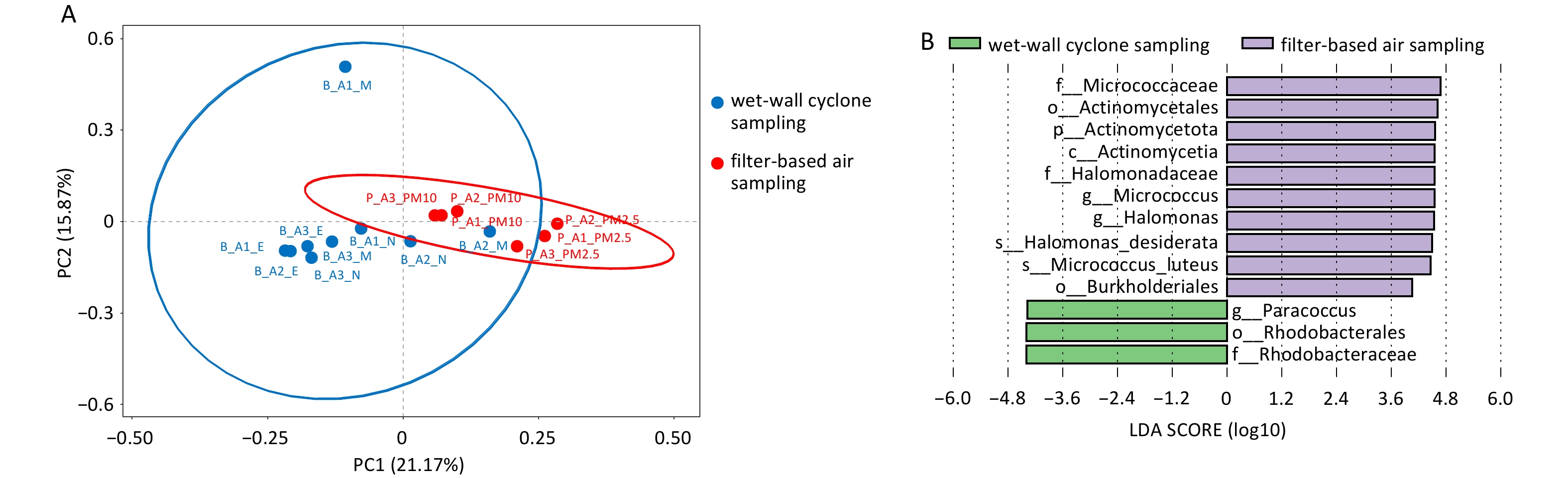
Objectives To characterize the distribution of bacterial and fungal pathogens in airport terminal environments, compare airborne aerosol sampling methods, identify high-abundance pathogenic species based on the WHO priority pathogens list, and provide a scientific basis for optimizing microbiological monitoring and control measures. Methods Sampling was conducted in the transit transfer area (A1), domestic arrivals area (A2), and domestic departures area (A3). Airborne aerosols were collected using cyclonic and filtration samplers, and surface samples were collected using sterile swabs. DNA analysis was performed using 2bRAD sequencing for microbiome profiling (2bRAD-M). Microbial community diversity and compositional differences were assessed using α-diversity indices (Chao1, Shannon, and Simpson) and β-diversity metrics. Results Bacteria dominated the indoor air microbiota of the airport terminal (98.4%), with Pseudomonadota (39.4%–62.9%) and Actinomycetota (18.9%–32.9%) as the predominant phyla. Microbial diversity was significantly higher in surface samples than in airborne aerosols. High-frequency contact surfaces (e.g., handrails) were enriched with human commensal bacteria, including Cutibacterium acnes (9.71%–19.4%). Multiple WHO-prioritized pathogens were detected, including Acinetobacter baumannii (0.3%–1.4%) and Pseudomonas aeruginosa (0.01%–1.24%). The transit transfer area (A1), characterized by poorer ventilation, showed higher microbial richness. Filtration samplers captured more microorganisms per unit volume than cyclonic samplers, with significant differences in detection profiles. Conclusion Sampling methods, sample types, and environmental conditions influence microbial distribution patterns across terminals. Detection of WHO Critical and High priority pathogens indicates potential risks of aerosol and contact transmission. Enhanced ventilation and disinfection of high-frequency contact surfaces can mitigate public health risks.
, Available online , doi: 10.3967/bes2026.016
Objective To investigate the association between occupational high-temperature exposure and accelerated biological aging. Methods A total of 140 male workers exposed to occupational high-temperatures and 207 male non-exposed control workers were selected as study subjects. Questionnaire surveys and health examinations were conducted. Biological age and organ-specific biological age were calculated using the Klemera–Doubal method. Generalized linear models were used to analyze the effects of occupational high-temperature exposure, body mass index (BMI), smoking, alcohol consumption, and sleep duration on biological age (BA) acceleration and organ-specific biological age. Results Significant differences were observed between the exposed and control groups in length of service, systolic blood pressure, red blood cell count, albumin levels, urea, creatinine, BA acceleration, and liver–kidney BA acceleration (P < 0.05). Compared with the control group, which showed a BA acceleration of 0.04 ± 1.34 years, the exposed group demonstrated significantly higher BA acceleration of 0.62 ± 1.31 years. After adjustment for covariates, workers exposed to high-temperatures exhibited significantly higher BA acceleration and liver–kidney BA acceleration than controls (P < 0.001). High-temperature exposure and BMI were associated with BA acceleration, with a significant interaction between the two factors (P < 0.05). High- temperature exposure, BMI, and smoking were identified as risk factors for BA acceleration, whereas sleep duration was a protective factor (P < 0.05). Conclusion Occupational high-temperature exposure may accelerate biological aging. An interaction exists between occupational high-temperature exposure and BMI in relation to BA acceleration.
Queyun Sun,
Cheng Cui,
Weiting Cai,
Lin Jiang,
Jingjing Xu,
Yi Yao,
Na Xu,
Xiaozeng Wang,
Zhenyu Liu,
Zheng Zhang,
Yongzhen Zhang,
Xiaogang Guo,
Zhifang Wang,
Yingqing Feng,
Qingsheng Wang,
Jianxin Li,
Xueyan Zhao,
Jue Chen,
Runlin Gao,
Lei Song,
Yaling Han,
Jinqing Yuan,
Ying Song
, Available online , doi: 10.3967/bes2026.015
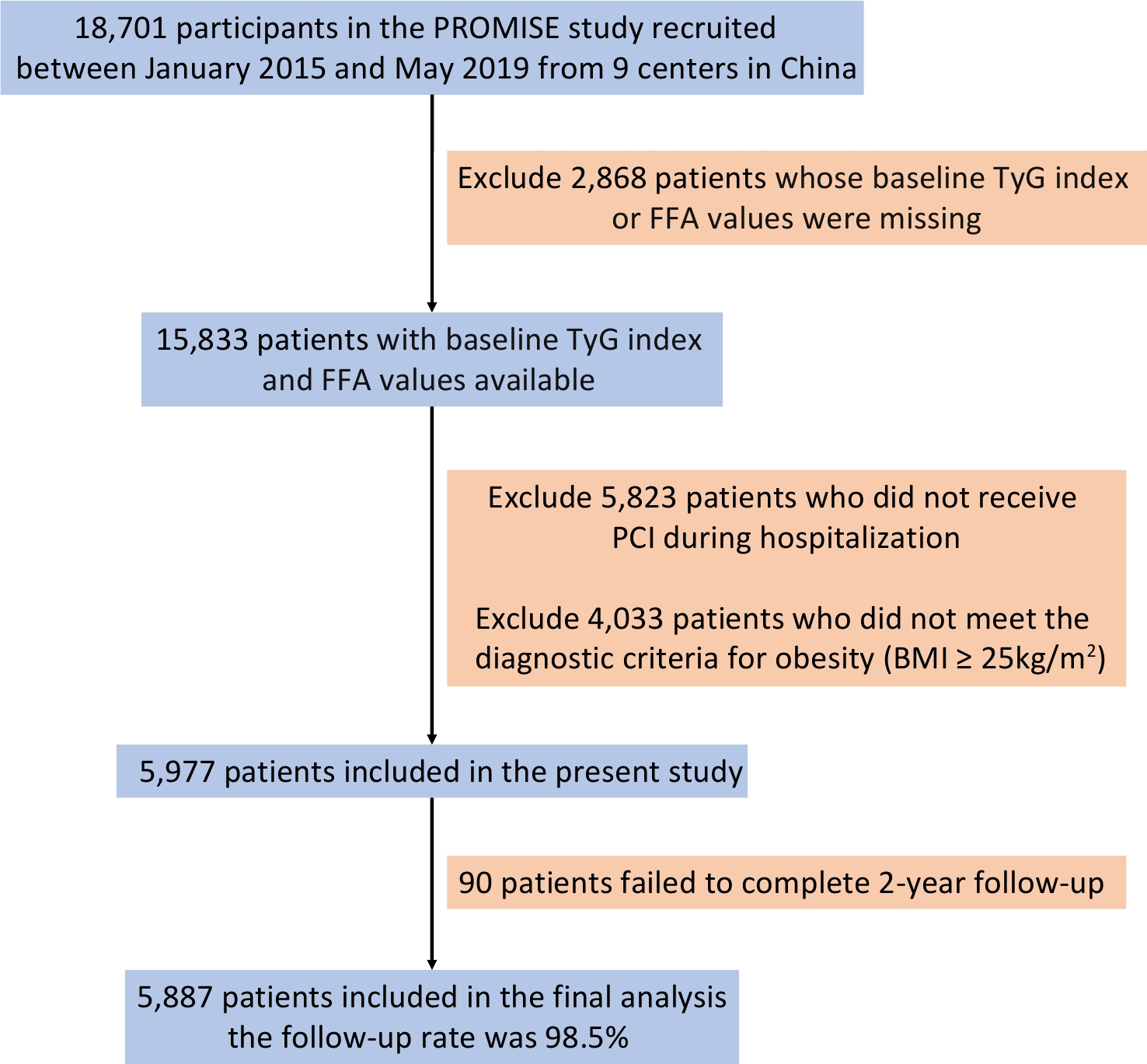
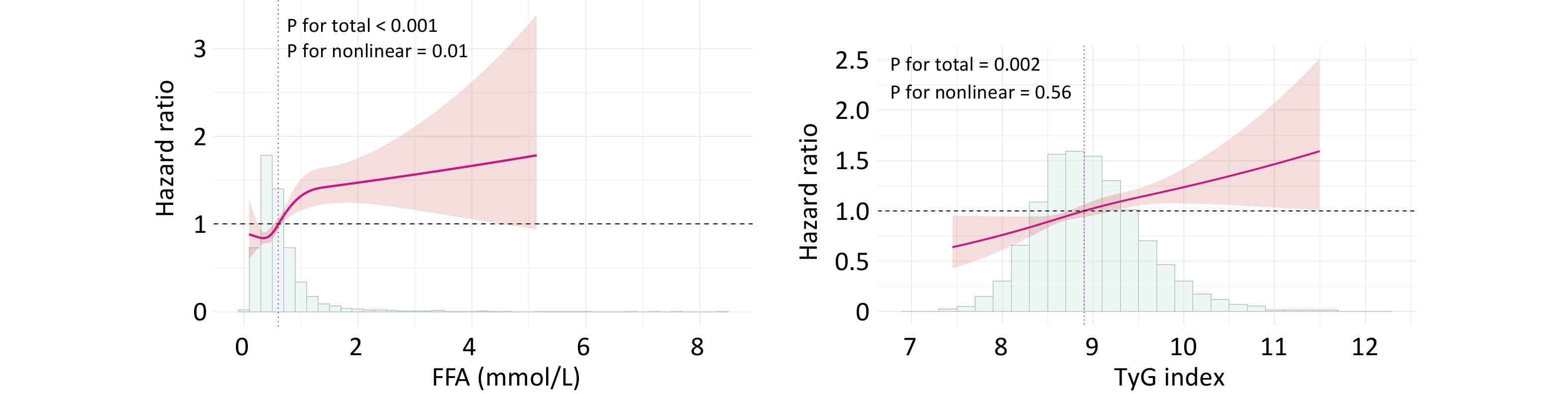
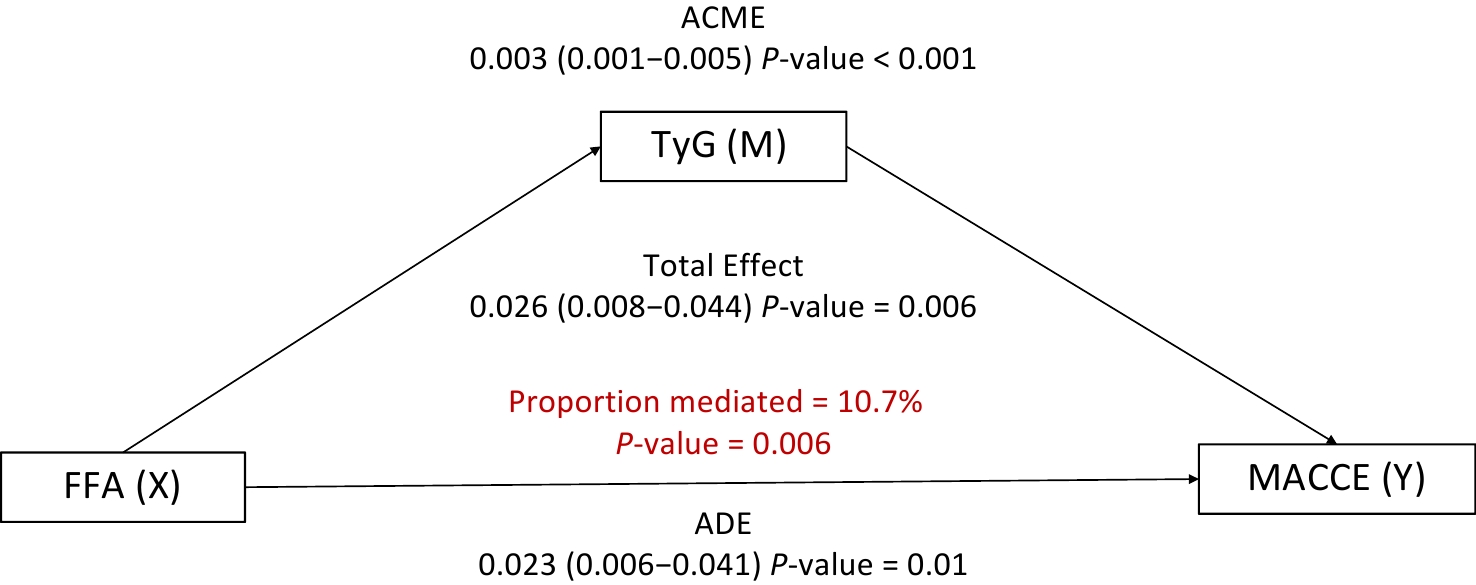
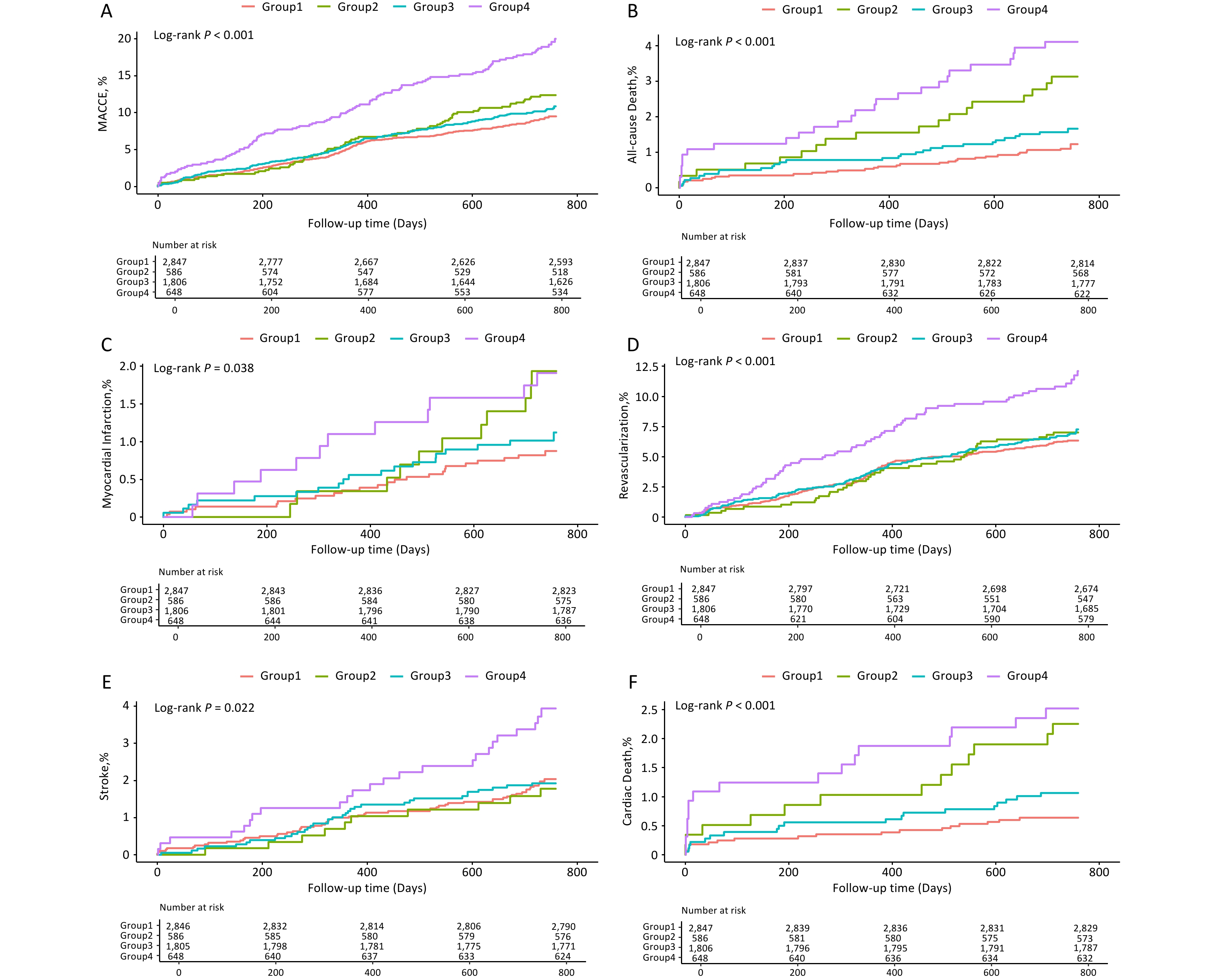
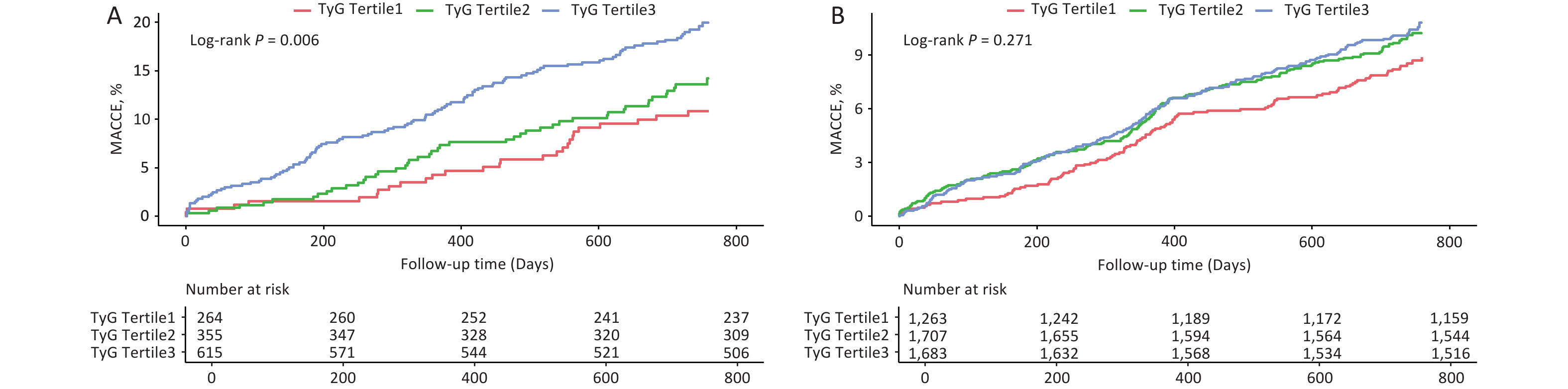
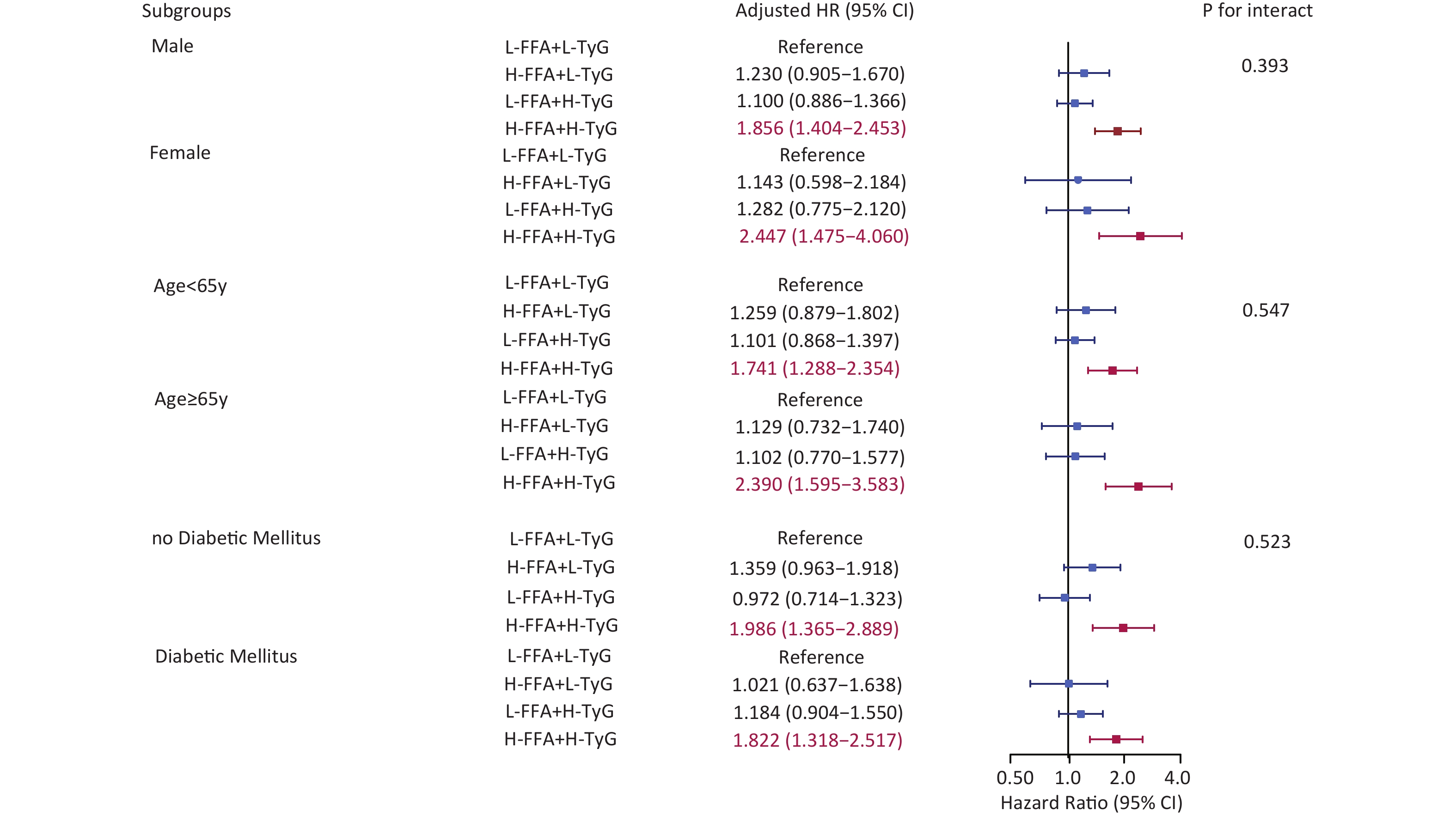
Objective To investigate the joint effect of free fatty acid (FFA) and the triglyceride-glucose (TyG) index on the prognosis of overweight and obese coronary artery disease (CAD) patients. Methods A total of 5,887 patients were enrolled in this study. Restricted cubic spline analyses were used to assess the dose-response relationship of FFA and TyG with major adverse cardiovascular and cerebrovascular events (MACCE). Mediation analysis was used to examine whether TyG mediated the association between FFA and MACCE. Kaplan–Meier survival curves were used to compare the cumulative incidence of events. Multivariable Cox models were used to explore the independent association between Low-/High-FFA and Low-/High-TyG on outcomes. Results FFA and TyG were independent predictors of MACCE. TyG mediated 10.7% of the association between FFA and MACCE. Patients with high FFA and TyG levels exhibited a markedly higher MACCE risk (adjusted hazard ratio: 1.951, 95% confidence interval: 1.533–2.484; P < 0.001), with a significant interaction between FFA and TyG. Among patients with elevated FFA levels, MACCE increased progressively across higher TyG tertiles (P for trend = 0.001). Conclusions FFA and the TyG index independently predict adverse outcomes in overweight or obese CAD patients, with the TyG index mediating the relationship between FFA and MACCE. Their combined assessment enhances the risk stratification in this population.



 Quick Links